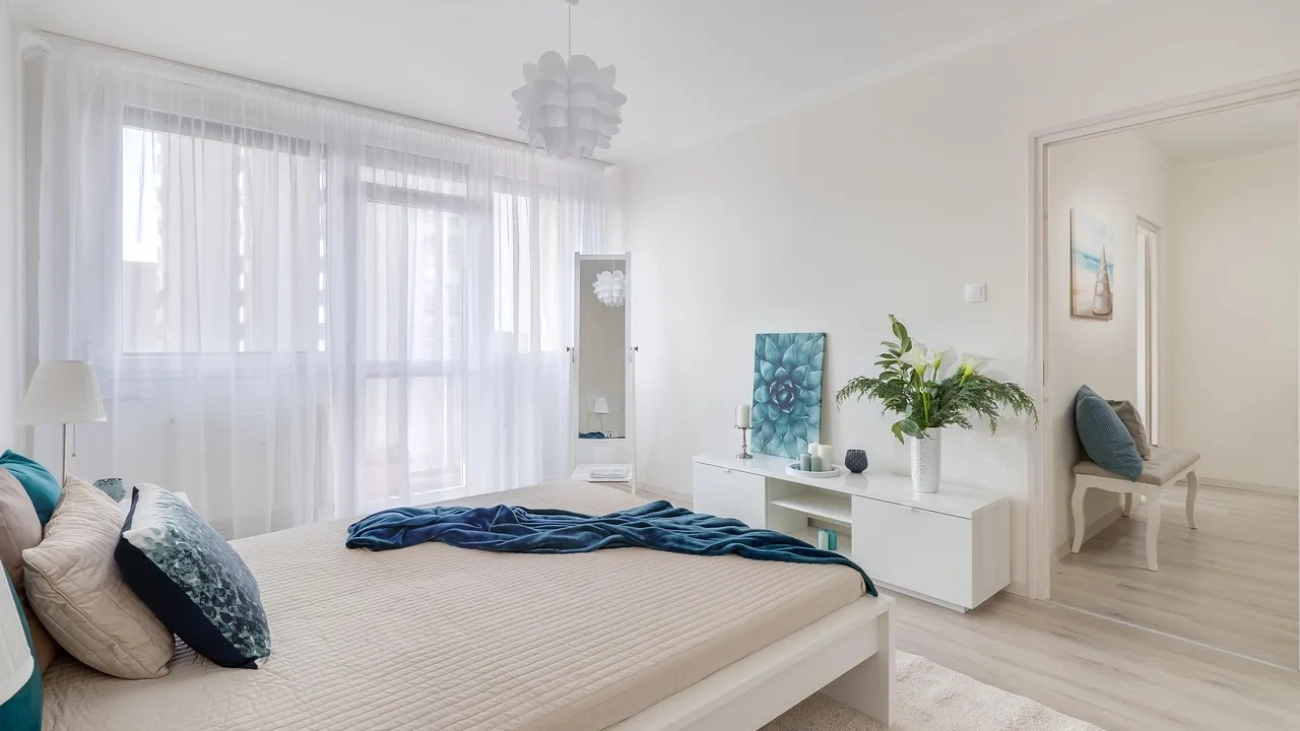
Why soundproof your home in Russia
Living in Russian cities often means dealing with street noise, tram and metro rumble, loud neighbours in panel buildings (панельные дома, хрущёвки), and seasonal HVAC or plumbing sounds. Soundproofing improves sleep, concentration, and comfort — and many solutions also increase thermal efficiency, which matters in harsh winters.
How sound works — two different problems
— *Sound insulation* (blocking transmission): stops airborne noise (voices, traffic) and structure-borne noise (impact: footsteps, slamming doors) from passing through walls, windows, floors and ceilings.
— *Sound absorption* (reducing echoes inside a room): treats reverberation with soft materials, panels, curtains.
Most people need insulation first (windows, doors, walls), then absorption to improve room acoustics.
Typical noise sources in Russian homes
— Street/traffic, car alarms, sirens
— Trams/metro and rail
— Noisy neighbours (footsteps, TV, drilling)
— Ventilation/heating system noise and water hammer
— Balconies/loggias used as storage causing noise transfer
Prioritised, practical plan (what to do first)
1. Windows — biggest single improvement in city apartments.
2. Doors — entrance door and interior doors to noisy rooms.
3. Seal gaps and joints — cheap, quick, very effective.
4. Walls — add mass/decoupling where needed (neighbor noise).
5. Floors/Ceilings — for impact noise and multi-storey living.
6. Ventilation and plumbing — maintain airflow while preventing noise paths.
7. Room treatment — curtains, rugs, bookcases for extra comfort.
Detailed solutions and when to use them
Windows (окна)
— Why: windows are usually the weakest barrier in urban flats.
— Best options:
— Replace with high-quality PVC or wooden frames with sealed double- or triple-glazing (laminated glass reduces some low frequencies). Look for sound reduction indices (Rw/STC).
— Add an internal secondary glazing (второй створка) — cheaper and often very effective in panel/building stock.
— Proper installation and sealing (герметизация) around the frame is essential.
— Expected reduction: 10–35 dB depending on solution and glazing.
— DIY vs pro: replacement and sealing — pro; thin secondary glazing — possible DIY with kit.
Doors
— Entrance door: install a heavy, sealed metal or solid-core door with perimeter seals and threshold sweep. Add a soundproofing panel if needed.
— Interior doors: replace hollow cores with solid core, or add seals and mass-loaded layers.
— Expected reduction: 10–25 dB for a well-sealed solid door.
Gaps and joints (cheap, high-impact)
— Use acoustic sealant (акустический герметик), door sweeps, foam tape for window/door gaps, and silicone around frames.
— Treat electrical sockets and service penetrations with sealant or acoustic foam.
— Often reduces noticeable noise paths significantly at low cost.
Walls
— Lightweight partition noise: add mass — e.g., an extra layer of plasterboard (гипсокартон) with mass-loaded vinyl (MLV) or cement board.
— For neighbour noise through shared partitions: use decoupling systems (resilient channels or vibration-isolating mounts — виброподвесы) and fill cavities with mineral wool (минеральная вата).
— Note: Adding heavy layers can reduce room area and may require agreement if altering shared structures.
— Expected improvement: 5–20+ dB depending on complexity.
Floors and impact noise
— Floating floor systems with resilient underlay (подложка) or cork/foam layers reduce footsteps and impact noise.
— Use thick rugs and carpets + dense underlay for a simpler approach.
— For heavy work or renovations: consider screed floating floors or rubber isolation under floorboards.
— Impact noise reduction: 10–25 dB typical with good floating floors.
Ceilings
— If noise comes from upstairs, consider installing a suspended ceiling with resilient hangers and insulated cavity (минеральная вата) — decoupling is key.
— Easier options: rugs above (ask upstairs neighbour), sound-absorbing ceiling panels.
— Reduction varies widely; professional assessment recommended for major works.
Ventilation, windows, and condensation issues
— Fully sealing windows and doors can reduce fresh air. In Russia’s cold climate, balance soundproofing and ventilation:
— Install controlled mechanical ventilation or quiet trickle vents (вентиляционные клапаны с шумопоглощением).
— Use window vents with sound baffles (шумопоглощающие клапаны) or acoustic vents for balconies.
— Prevent condensation by maintaining thermal bridges and using proper ventilation.
Plumbing and heating noise
— Add flexible connectors, cushioning mounts, and acoustic boxes for noisy units.
— Eliminate “water hammer” by fixing fittings and installing air chambers where applicable.
Room treatment (final touches)
— Heavy curtains (шторы), bookcases against shared walls, upholstered furniture and acoustic panels reduce perceived noise and echo (absorption).
— Foam panels are good for high-frequency echoes but poor at blocking low-frequency external noise — use as complement.
Costs and budgets (approximate, Russia-oriented, per item)
— Window replacement (PVC double-glazed): ~15,000–60,000+ RUB per window depending on size and glazing (city/region