acoustic-foam-4864398_640

Practical Home Soundproofing in Russia: Smart Solutions for Apartments and Houses

Practical Home Soundproofing in Russia: Smart Solutions for Apartments and Houses

Noisy neighbours, street traffic, train or metro rumble, or the clatter of apartment plumbing — sound problems are common in Russian cities and older housing. This guide explains the principles, room-by-room solutions, material choices available on the Russian market, cost estimates, DIY tips and when to hire professionals.

Why soundproofing matters

— Improves sleep, concentration and comfort.
— Raises apartment value and livability in panel (панельный), brick (кирпичный) and monolith (монолит) buildings.
— Can reduce noise by 10–45 dB depending on scope and quality of work.

Types of noise and how they differ

— Impact noise: footsteps, slamming doors, banging (transmitted through structure).
— Airborne noise: speech, TV, music, traffic (transmitted through air).
— Low-frequency noise: trucks, subways, machinery (harder to block).
Different strategies are used for each: mass and airtightness for airborne; decoupling and absorption for impact; heavy/dense barriers for low frequencies.

Basic principles of effective soundproofing

— Mass: add mass to block sound (heavy panels, gypsum boards, dense boards).
— Decoupling: separate surfaces so vibrations don’t pass directly (floating floor, suspended ceiling, resilient channels).
— Damping: convert vibration energy to heat (viscoelastic membranes, damping compound).
— Absorption: reduce reverberation inside a room (mineral wool, acoustic panels).
— Airtightness: seal gaps, sockets and joints — even small gaps leak sound.

Room-by-room solutions

Windows (one of the most effective upgrades)

— Replace single-glazed frames with good quality пластиковые окна (double- or triple-glazed units, стеклопакеты). Two-chamber units help with low-frequency noise.
— Add laminated glass for better sound performance.
— Improve sealing: add brush seals (щеточные уплотнители) or rubber gaskets, seal frames from inside with acoustic sealant.
— Install secondary glazing (вторичный контур) — a secondary frame or soundproofing window inside the existing frame — good for heritage windows or rentals.
— Cost: replacing a window unit can range broadly (ориентировочно) from ~8,000–40,000 ₽ per window depending on size, glazing and quality.

Doors

— Install a solid-core or soundproof door with good seals (threshold seal, perimeter gasket).
— Use acoustic door sweeps and seal gaps.
— For flats, consider an interior acoustic door for living areas; for entrances, thicker metal/wood doors with sound insulation cores.
— Cost: interior acoustic doors ~6,000–40,000+ ₽; entrance doors with insulation more.

Walls

— For airborne noise between apartments: build an additional stud wall with mineral wool (mineral wool: каменная вата / стекловата), resilient channels and 2 layers of gypsum board (ГКЛ), or use specialized soundproof panels (акустические панели).
— For thin panel partitions, decoupling and mass help most (resilient channels + 2xGKL + mineral wool).
— Use acoustic sealant at edges and around sockets.
— For limited budgets, wall-mounted heavy bookshelves, textiles and acoustic panels reduce reverberation and help some.
— Expected improvement: properly constructed double-stud or decoupled wall can add 20–40 dB depending on initial wall.

Floors

— Impact noise (footsteps): install floating floor systems with elastic underlayment (плавающий пол) — cork, rubber, специальная подложка, or mineral wool under raised floor.
— For apartments, an acoustic screed (звукопоглощающая стяжка) or resilient underlay beneath laminate/laminate/паркет reduces impact.
— For houses, consider isolation bearings or floating subfloor.
— Carpet and rugs also help significantly on impact and reverberation.
— Cost: underlay materials from ~200 ₽/m²; full floating floors including materials and installation vary widely 1,000–5,000 ₽/m² depending on complexity.

Ceilings

— Suspended ceiling with resilient hangers and mineral wool between floor joists reduces transmitted noise — effective against footsteps from upstairs.
— For strong sources, a multi-layer solution: resilient channels, two layers of GKL with damping compound.
— Watch for building height loss: suspended ceilings reduce ceiling height by 5–15+ cm.
— Cost: expect higher costs due to labor and materials; oriented per project.

Pipes, vents and ventilation

— Sound can transmit through ventilation shafts and plumbing risers. Seal penetrations and use flexible connectors.
— For ventilation noise, install silencing elements: acoustic diffusers / mufflers (глушители) in ductwork, or sound-absorbing lining.
— Ensure that sealing doesn’t block required ventilation; comply with building codes.

Materials commonly used in Russia

— Mineral wool (каменная вата, стекловата): good absorption; use dense types for walls.
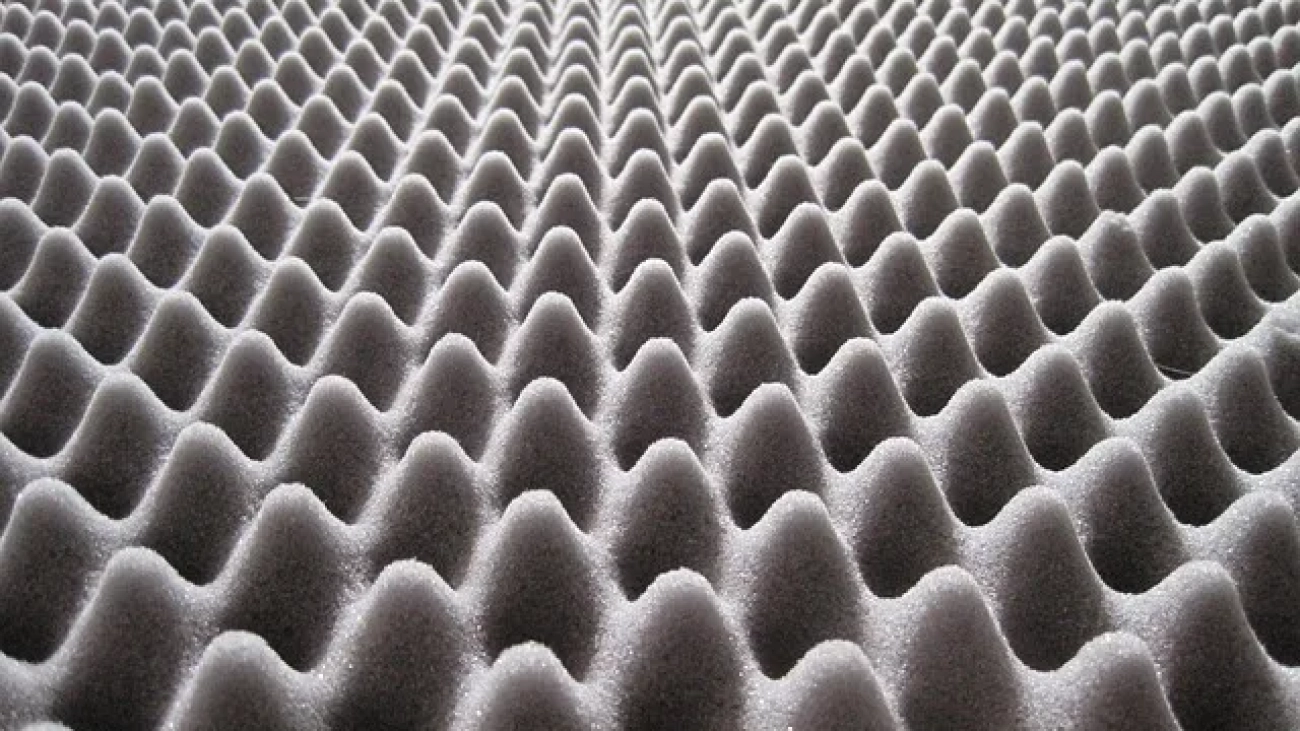
— Acoustic foam/panels (акустические панели): useful for interior reverberation control but limited blocking.
— Mass-loaded vinyl / битумные или виниловые мембраны: add mass and damping.
— Gypsum board (ГКЛ/Gypsum fiber): use 2 layers, with damping compound for increased performance.
— Resilient channels, spring hangers, acoustic mounts (виброизоляторы).
— Acoustic sealant (акустический герметик) and expanding foam for gaps.
— Soundproof doors and window systems from local manufacturers or custom shops.

DIY vs hiring professionals

— DIY is realistic for window seals, rugs, door seals, wall hangings, secondary glazing, and some floating floors.
— Structural decoupling (floating floors, suspended ceilings with resilient mounts, full wall rebuild) is best done by specialists experienced in acoustic performance.
— Hire pros for complex problems like low-frequency rumble, noise from ventilation shafts, or when you need certification/guarantees.
— When hiring: request sound reduction estimates (Rw or laboratory measurements if needed), project drawings, and written guarantees.

Budgeting and expected results

— Small upgrades (seals, rugs, curtains, acoustic panels): low-cost, visible comfort improvement plus modest dB reduction (3–10 dB).
— Window replacement + door seals: medium cost, large impact on airborne noise from street (10–25 dB).
— Full wall/floor/ceiling interventions: high cost, potentially 20–45 dB improvement depending on scope.
— Always get several quotes and ask for references and before/after measurements if possible.

Practical step-by-step plan for an apartment

1. Diagnose: identify dominant sources and paths (windows, walls, ceilings).
2. Start inexpensive: seal gaps, add door/window

kitchen-825318_1280

Звукоизоляция квартиры в России: практическое руководство

Введение

Шум — одна из самых частых причин дискомфорта в российских городах: улица, транспорт, детский гул, соседи сверху или стенки между квартирами. Правильная звукоизоляция помогает создать спокойное пространство для сна, работы и отдыха. В этом материале — практичные способы, материалы, порядок работ и ориентировочные цены, адаптированные под российские условия.

Какие шумы встречаются чаще

— Уличный (транспорт, стройка, музыка на улице)
— Шум соседей (разговоры, телевизор, стук, ходьба)
— Ударный шум (топот, падающие предметы, дрель)
— Системный шум (вентиляция, подъездные устройства, отопление)

Как оценить проблему

— Измерьте уровень шума (обычно в дБ) в ключевые периоды (днем, ночью). Для оценки достаточно мобильного приложения или арендовать дозиметр.
— Определите пути проникновения: окна, внешние стены, межквартирные перегородки, потолок, пол, двери, вентиляция.
— Оцените конструкцию дома: панельный, кирпичный, монолитный — это влияет на выбор решений.

Цели звукоизоляции (практичные ориентиры)

— Снижение уличного шума на 25–40 дБ — заметно улучшает комфорт.
— Для спокойного сна и работы обычно достаточно добиться снижения суммарного шума до 30–40 дБ внутри помещения.
(Точные цифры зависят от исходного уровня и типа источника.)

Основные методы и материалы

Окна — первоочередная задача

— Установка качественных стеклопакетов (двойные или тройные), предпочтительно с разной толщиной стекол.
— Специальные шумоизоляционные оконные системы (разнесённые рамы, доборные стеклопакеты).
— Уплотнители, герметизация стыков и откосов.
*Эффект:* одна из самых больших выгод на вложенный рубль — снижают уличный шум значительно.

Стены и межквартирные перегородки

— Каркасная конструкция с минеральной ватой (базальтовая/минеральная вата) и многослойным гипсокартоном.
— Звукоизоляционные панели и мембраны (битумно-полимерные, акустические мембраны).
— Увеличение массы и разобщение слоёв (плоскости не должны иметь жёсткий контакт).
*Эффект:* снижает как воздушный (речь, музыка), так и частично вибрационный шум.

Пол — ударный шум

— «Плавающая» стяжка или плавающая конструкция пола с демпфирующим слоем.
— Акустические подложки, пробковые или резиновые демпферы, минераловатные плиты под ламинат/паркет.
— Ковры и мягкая мебель как дополнительное поглощение.
*Эффект:* заметно уменьшает шаги и удары сверху.

Потолок

— Подвесной потолок с заполнением минеральной ватой + разнесённые конструкции, виброразвязка.
— Климатические особенности российских многоэтажек часто делают потолок источником шума от соседей сверху — приоритет для ремонта в «сталинках» и панелях с тонкими плитами.

Двери и входы

— Плотные входные двери с уплотнителями и магнитными/прокладочными профилями.
— Межкомнатные двери: массив или специальная звукоизоляционная конструкция + порожки и уплотнители.

Вентиляция, отверстия, коммуникации

— Шум проникает через вентиляционные шахты и решётки — применяют шумоглушители (глушители), гибкие шумопоглощающие вставки.
— Герметизация отверстий для труб, розеток и приборов — уплотнительными массами и прокладками.

Отделка и мебель

— Тяжёлая мебель, книжные полки, текстиль, плотные шторы, акустические панели снижают реверберацию и часть шума.
*Не забывайте:* поглощение (текстиль) и изоляция (конструкции) — разные задачи и работают в комплексе.

DIY vs профессиональные работы

— Самостоятельно можно: герметизация, замена уплотнителей, установка порогов, лёгкая шумозащита стен (один слой ГКЛ с уплотнением), ковры.
— Профессионалы нужны для: плавающей стяжки, сложных каркасных систем с акустической развязкой, установки шумопоглощающих окон и замены входной двери, точных расчетов и монтажа вентиляционных глушителей.
— Рекомендация

home-2094592_960_720

Home Soundproofing in Russia: Practical Solutions for Every Budget

Why soundproof your home in Russia?

Whether you live in a busy Moscow apartment, a panel building (хрущёвка), or a suburban wooden house, unwanted noise affects sleep, concentration and well‑being. In Russia common sources are traffic, trams and trains, noisy neighbours, and heating/pump systems. Soundproofing improves comfort and can increase property value.

Soundproofing fundamentals (the four principles)

Mass — heavier materials block more sound (e.g., dense drywall, cement board).
Decoupling — separate layers so vibrations don’t transfer (double stud walls, resilient channels, floating floors).
Damping — convert vibration to heat with viscoelastic layers or damping compounds.
Absorption — reduce echoes inside a room with soft/porous materials (mineral wool, acoustic foam).

Use combinations of these for best results.

Typical Russian housing problems and targeted fixes

— Older panel or brick flats: thin party walls and hollow floors — *double stud walls*, added mass, or an extra layer of GKL (gypsum board) with damping compound.
— Single‑glazed windows in cold climates: high street noise and drafts — *replace with double or triple glazing* (теплые стеклопакеты), add sealing gaskets and adjustable vents for ventilation.
— Suspended ceilings with noisy upstairs neighbours: *soundproof ceiling systems* with vibration isolators or an additional suspended ceiling with mineral wool.
— Wooden houses (деревянный дом): airborne and impact noise — combine mass and decoupling, watch moisture/vapor issues.
— Old doors and gaps: flanking noise — *solid core doors*, door sweeps, perimeter seals (уплотнитель).

Step‑by‑step plan for a typical room

1. Measure the problem: use a sound level meter or smartphone app to record noise levels and times.
2. Identify transmission paths: windows, doors, shared walls, ceilings/floors, ventilation.
3. Start with the easiest fixes: seal gaps, add door seals, heavy curtains, bookcases against shared walls.
4. Upgrade windows/doors: install quality double/triple glazing and solid doors.
5. Treat surfaces: add acoustic drywall with damping, mineral wool in cavities, resilient channels for ceilings.
6. Address floors: underlay with acoustic mat (виброизолирующая подложка) and floating floor if impact noise is a problem.
7. Hire professionals for structural modifications (double walls, floating floors, ventilation alterations).

DIY measures that work (budget to moderate cost)

— Seal cracks and gaps with acoustic sealant (акустический герметик).
— Install weatherstripping on doors and window perimeters.
— Use heavy curtains or acoustic drapes to reduce street noise.
— Place bookcases and soft furnishings against shared walls.
— Lay thick rugs and underlay to reduce impact noise.
— Add an extra layer of plasterboard with acoustic compound in problem areas.

Professional upgrades (higher cost, best performance)

— Window replacement with certified sound‑insulating units (шумоизоляционные стеклопакеты).
— Construction of a new decoupled wall (двойная стена) or suspended ceiling with resilient mounts.
— Floating floor systems with acoustic underlay and isolation.
— Full-room acoustic insulation using mineral wool or specialized panels and professional sealing.
— Acoustic measurement and certification (приёмка по уровню шума) to ensure compliance.

Choosing materials — pros and cons (common in Russia)

— Mineral wool (минеральная вата): good thermal + acoustic insulation, fire‑resistant; needs vapor barrier and careful installation.
— Acoustic foam (акустический поролон): good for internal absorption (echo), poor at blocking outside noise.
— Damping membranes and mats: reduce vibration transfer, useful for floors and walls.
— Mass loaded vinyl (звуконепроницаемая мембрана): effective mass and damping, heavier and pricier.
— Extra gypsum board (ГКЛ) with damping compound: affordable and widely used in renovations.

Climate, ventilation and moisture considerations

— Russian cold climate requires attention to thermal bridges and condensation. When insulating walls or windows, ensure proper vapor barriers and maintain ventilation to avoid mold.
— Mechanical ventilation or trickle vents are recommended when sealing windows tightly — otherwise indoor air quality will suffer.

Costs — rough ranges (Russia, indicative)

— Basic DIY fixes (sealant, strips, curtains): 1,000–15,000 ₽.
— Window replacement (per window): 15,000–60,000+ ₽ depending on size and glazing.
— Suspended acoustic ceiling (per m²): 1,500–6,000 ₽.
— Floating floor installation (per m²): 2,000–8,000 ₽.
Prices vary by city, materials and labour — get several quotes.

How to pick a contractor in Russia

— Ask for acoustic measurements before/after and references from similar projects.
— Check for guarantees and written scope of work.
— Prefer contractors who address ventilation and moisture management.
— Compare at least three offers and request material samples.

Quick checklist before you start

— Identify noise sources and main transmission paths.
— Decide DIY vs professional depending on severity and budget.
— Choose materials suited to both sound and climate needs.
— Plan ventilation to avoid condensation.
— Get multiple quotes and confirm timelines/guarantees.

Final tips

— Start with low‑cost fixes — sealing and soft furnishings often help more than expected.
— For serious issues (train lines, nightlife), invest in windows and structural decoupling.
— Consider both soundproofing and sound absorption: one blocks external noise, the other improves room acoustics.
— Balance thermal and acoustic solutions to suit Russia’s climate.

If you tell me your housing type (panel, brick, wooden), the main noise source and your budget, I can suggest a tailored step‑by‑step plan and approximate material list.

home-2094592_960_720

Звукоизоляция жилья в России: практическое руководство — от диагностики до реализации

Введение

Шум в квартире — частая проблема в российских городах: уличный транспорт, строительные работы, громкие соседи, шаги по межквартирным перекрытиям. Правильно спланированная звукоизоляция повышает комфорт и зачастую решает проблему без капитального ремонта. В этой статье — понятные принципы, решения для стен, окон, пола и потолка, ориентиры по стоимости и советы, какие работы лучше доверить профессионалам.

Основные понятия и типы шума

— *Воздушный шум* — разговоры, музыка, звук машин. Эффективно гасится массой и уплотнением (стены, окна).
— *Ударный шум* — шаги, падение предметов, передачи через перекрытия. Решается через разрыв жесткого контакта (плавающие полы, виброразвязка).
— Ключевые принципы: масса, демпфирование, разрыв жёсткого контакта и герметизация стыков.

С чего начать — пошаговая диагностика

1. Определите источники шума (улица/соседи/из соседней квартиры/через вентиляцию).
2. Замерьте (или оцените) уровень: в разговорной комнате шум > 40–45 дБ уже ощущается дискомфортом.
3. Приоритизируйте: сначала окна и двери, затем стены и перекрытия.
4. Решите бюджет и степень вмешательства (косметические меры vs. капитальная звукоизоляция).
5. При необходимости закажите акустическое обследование у специалистов.

Решения по элементам квартиры

Окна

— Проблема: уличный шум, щели.
— Решения:
— Уплотнить старые рамы акустичным герметиком и заменить уплотнители.
— Установка стеклопакетов с разными по толщине стеклами или установка второго наружного/внутреннего стеклопакета (доброе решение для панельных домов).
— Вставка «звукоизоляционных» стеклопакетов (больше масса, разная толщина стекол, газонаполнение — не панацея, но помогает).
— Деревянные/металлопластиковые рамы с качественными уплотнителями.
— Дополнительно: плотные шторы, наружные жалюзи, подоконник-профиль для уплотнения.
— Ожидаемый эффект: герметизация + замена стеклопакета может снизить уличный шум на ~10–20 dB (в зависимости от исходного состояния).

Двери

— Решение: массивная входная дверь с уплотнителями, нижняя щётка (door sweep) и акустический уплотнитель по периметру.
— Межкомнатные двери: можно заменить на более плотные, установить доборы или уплотнители.
— Стоимость: уплотнение — недорого (несколько сотен — пара тысяч рублей), замена двери — десятки тысяч руб.

Стены (перегородки)

— Для воздушного шума:
— «Мокрый» или каркасный монтаж слоя ГКЛ (гипсокартон) с акустическим наполнителем (минеральная вата, PET-мат).
— Установка дополнительной перегородки с воздушным зазором.
— Применение демпфирующих паст/лент между слоями (аналог Green Glue) и тяжёлых отделочных материалов (МДФ, гипсовинил).
— Для тонких панельных стен — чаще требуется сборная каркасная звукоизоляция с минераловатной прос

acoustics-2467024_1280

Как звукоизолировать квартиру и дом в России: практическое руководство

Звукоизоляция жилья в России: что нужно знать и с чего начать

Шум из улицы, от соседей, от транспорта или инженерных систем — частая проблема в российских городах и пригородах. В этой статье — практическое, понятное руководство по звукоизоляции квартиры и частного дома с учётом климатических и конструктивных особенностей жилья в России.

Почему это важно

— *Комфорт и здоровье*: постоянный шум повышает стресс и ухудшает сон.
— *Рост стоимости жилья*: качественная шумоизоляция повышает привлекательность квартиры.
— *Энергоэффективность*: многие методы звукоизоляции улучшают теплоизоляцию — важно в российских зимах.

Особенности российских домов

— Панельные дома (панельки): тонкие перегородки и «шаги» между плитами, характерные мостики звука.
— Кирпичные и монолитные дома: обычно легче достигнуть хорошего результата, но возможны проблемы с вибрациями от транспорта.
— Частные дома: шум от ветра, улицы и соседских хозяйств; важно учитывать перепады температуры и влажности.

Основные источники шума

— Уличный (транспорт, стройка, ночные клубы).
— Межквартирный (разговоры, телевизор, шаги).
— Межэтажный (удары, мебель, сантехника).
— Шум инженерных систем (вентиляция, насосы).

Проверенные методы и материалы

Окна

Пластиковые/металлопластиковые окна с двух- или трёхкамерным стеклопакетом — эффективны против уличного шума.
— Герметизация стыков и установка уплотнителей — недорогая и очень полезная мера.
— Вентиляционные клапаны с шумопоглощающими вставками сохраняют приток воздуха без потери звукоизоляции.

Стены

— Создание звукоизолирующей перегородки: каркас + минераловатный наполнитель + гипсокартон.
— Использование звукопоглощающих мембран (например, MLV) или специальных акустических панелей.
— Принцип «масса — упругость — масса»: тяжёлые слои разделённые демпфирующим слоем работают лучше.

Потолок (межэтажный шум)

— Подвесные конструкции на резиновых упорах или упругих подвесах.
— «Плавающий потолок» с акустическим наполнителем для гашения ударных шумов.

Пол

— Плавающий пол на упругой подложке (пенополистирол, пробка, акустические мембраны).
— Толстый ковёр с плотной подложкой для временных решений.

Двери

— Масса и уплотнения важнее эстетики: плотные двери с уплотнителями по периметру и притвором.
— Установка порога-уплотнителя или автоматического порога.

Мелкие, но важные места

— Герметизация розеток, труб, вентиляционных шахт.
— Удаление мостиков звука через элементы крепления — применение шумоизолирующих втулок/прокладок.

Стратегия работ: пошагово

Для квартиры (приоритеты)

1. Оцените источники шума и измерьте уровень (можно начать с приложения-шумомера).
2. Усильте окна и заделайте щели.
3. Устраните мостики через двери и розетки.
4. Работайте со стеной, где наиболее слышно (каркас + минвата + ГКЛ).
5. При необходимости — плавающий пол или потолок.

Для частного дома

1. Уделите внимание фасадным окнам и входной зоне.
2. Изучите влияние конструкций (балки, перекрытия) на передачу звука.
3. Комбинируйте наружную и внутреннюю звукоизоляцию: заборы, зелёные зоны, плотные окна, внутренние перегородки.
4. Контролируйте вентиляцию и удаление влаги.

Варианты по бюджету

— Низкий бюджет (быстрые меры):
— Тяжёлые шторы, плотные ковры, книжные стеллажи у стен, уплотнители на двери, герметизация щелей.
— Средний бюджет (эффективный баланс):
— Замена окон на двух-/трёхкамерные стеклопакеты, утепление одной-двух стен по каркасной схеме, подложка под ламинат.
— Высокий бюджет (профессиональная шумоизоляция):
— Плавающие полы, плавающие потолки, многослойные перегородки с MLV и звукоизолирующими системами, профессиональная установка и гарантия.

Советы для арендаторов

— Используйте временные решения: акустические панели, шторы, ковры, герметики.
— Договоритесь с владельцем о мелких ремонтах (например, уплотнители на окнах).
— Если шум — системная проблема, выясните, нет ли возможности переезда в другую квартиру.

Как выбрать исполнителя (мастера/фирму)

— Просите портфолио и фото до/после.
— Уточняйте материалы и толщины слоёв — не только «звуконепроницаемо».
— Согласуйте гарантию на работы.
— Попросите предварительную оценку шума и план работ.
— Ключевые поисковые фразы: «шумоизоляция квартиры», «звукоизоляция стен монтаж», «шумоизоляция потолка Москва/Санкт-Петербург/ваш город».

Экспертные предупреждения

— Полная «звуконепроницаемость» — недостижима; задача — снизить уровень до комфортного.
— Неправильная интеграция материалов может привести к проблемам с вентиляцией и влажностью — учитывайте климат и организуйте приточно-вытяжную вентиляцию.
— Некоторые материалы (низкокачественные «звукоизоляционные краски») имеют ограниченную эффективность — рассматривайте их как дополнение, а не решение.

Контрольный чек-лист перед началом работ

— Определены источники шума и приоритетные помещения.
— Проведена герметизация окон и дверей.
— Выбран тип захода на стены/потолок/пол.
— Согласовано с мастером использование паро-/влагоизоляции при необходимости.
— Учтена вентиляция и обязательные технологические зазоры.

space-8788661_1280

Home Soundproofing in Russia: Practical Guide for Apartments and Houses

Home Soundproofing in Russia: Practical Guide for Apartments and Houses

Living in Russia means dealing with a wide range of housing types — from Soviet-era panel buildings (хрущёвки, брежневки) to modern high-rises and private houses — each with its own acoustic challenges. This guide explains how to assess noise problems, choose effective materials and methods suitable for Russian climates and construction, estimate costs, and avoid common mistakes.

Why soundproofing matters (and what you can realistically expect)

— Noise sources: street and tram traffic, neighbors (voices, TV, footsteps), balconies, building systems (ventilation, plumbing), and exterior construction.
— Types of sound:
— Airborne noise — voices, music, traffic.
— Impact noise — footsteps, furniture knocks, stomping from above.
— Structure-borne noise — vibrations through walls, pipes, ventilation.
— Realistic results:
— Simple sealing and window upgrades can reduce noise by ~5–20 dB (noticeable improvement).
— Full wall/ceiling/floor systems with decoupling and mass layers can reach 20–40 dB reduction.
— Impact noise is more difficult; good floor decoupling or floating floors are most effective.

First step: assessment and priorities

1. Identify main noise sources and times (day/night).
2. Measure approximate levels with a smartphone app for dB (use as a guide, not a lab result).
3. Prioritize based on cost-effectiveness:
— Windows and doors first for street noise.
— Ceilings/floors for neighbor footsteps.
— Walls between apartments for loud neighbors or music.
— Pipes and HVAC for buzzing/whistling.

Effective soundproofing solutions for Russian homes

Windows and balconies

— Replace old single-pane windows with quality double- or triple-glazed units (стеклопакет). Seek profiles with multiple sealing gaskets (ПВХ профили).
— Install acoustic glazing (increased glass mass, different glass thicknesses) for better airborne attenuation.
— Seal gaps with acoustic seals (уплотнители), use soundproofing tape on frames.
— If a full replacement is not possible, add a secondary glazing/inner pane or heavy curtains as a temporary measure.
— Tip: Balcony doors/windows often have the largest leakage — treat them first.

Doors and entryways

— Install a solid-core or metal entrance door with good seals and threshold. Add acoustic perimeter seals and door bottom sweeps.
— For interior doors, heavier doors with seals reduce airborne noise between rooms.

Walls: airborne noise

— Cavity solutions: build a stud wall with mineral wool (базальтовая вата) and two layers of plasterboard (ГКЛ) with staggered joints. Add damping membranes if needed.
— Decoupling: use resilient channels or rubberized mounting systems (виброразвязка) to reduce transmission through studs.
— Mass and damping: add mass-loaded membranes or heavy boards to increase mass and damping.
— Finish: plasterboard + paint, decorative panels or shelving to retain room aesthetics.
— For brick or monolith walls, consider adding an internal insulated layer rather than chipping into structure.

Floors and impact noise

— Floating floor systems with elastic underlay (виброподвесы, звукоизоляционные мембраны) reduce footsteps.
— Use cork, rubber, or special acoustic mats under laminate/parquet. For apartments, floating floors with mineral wool and resilient layers work best.
— Carpets and rugs help but are limited for heavy impact noise from above.

Ceilings

— Install a suspended ceiling with sound-absorbing insulation and resilient hangers (анкерные виброподвесы).
— For loud upstairs neighbors, a combination of mass (two layers of gypsum board) and decoupling provides the best results.

Pipes, ventilation and HVAC

— Isolate noisy pipes with foam or rubber clamps; add acoustic insulation around ducts.
— Avoid sealing everything without providing ventilation — tightly sealed homes in cold Russian winters need controlled ventilation. Use acoustic ventilation valves (шумоподавляющие клапаны) or «sound attenuators» for ducts.

Sealing and finishing details

— Use acoustic sealant (звукопоглощающий герметик) around frames, junctions, sockets and penetrations.
— Apply perimeter acoustic tape where walls meet floors/ceilings before finishing.
— Soundproof outlet boxes with special inserts or foam to reduce flanking paths.

Materials commonly used in Russia

— Mineral (basalt) wool — effective, non-combustible, widely available.
— Acoustic plasterboard / plasterboard (ГКЛ звукоизоляционный).
— Soundproofing membranes and mass-loaded products (various branded sheets).
— Acoustic sealants and foam.
— Resilient channels / vibration isolators (виброразвязка, подвесы).
— Quality double/triple-glazed units (стеклопакеты) and sealed PVC profiles.
— Note: choose materials rated for humidity and low temperatures; ensure proper vapor barrier to avoid condensation in winter.

DIY vs. professional installation

— DIY-friendly: sealing gaps, adding door seals, heavy curtains, rugs, secondary glazing, simple drywall and insulation for small areas.
— Professional recommended for: replacing windows and doors, building decoupled walls/ceilings, floating floors, complex

home-2094592_960_720

Звукоизоляция дома и квартиры в России: практическое руководство — от дешёвых лайфхаков до профработ

Введение

Шум — одна из самых частых причин стресса в городских и пригородных условиях России: улица, транспорт, «тёплые соседи», громкая вентиляция, стройка. В статье — понятный план действий, материалы и реальные решения для разных типов жилья (панельные дома, кирпичные, деревянные дачи), с учётом климата и местного рынка.

Основные понятия (коротко)

— Звукоизоляция — уменьшение передачи звука через конструкции (стены, окна, пол, потолок, двери).
— Звукопоглощение — уменьшение отражённого звука внутри помещения (акустика).
Важно: сначала боремся с источником и путями передачи (звукоизоляция), затем улучшаем акустику.

Где берёт звук? Типичные источники

— Уличный шум: трассы, трамваи, стройка.
— Соседи: разговоры, телевизор, ходьба.
— Инженерные шумы: вентиляция, насосы, лифты.
— Структурный/ударный шум: шаги, падение предметов, стук по батарее.

Первичная оценка: как понять, что мешает

— Наблюдение: откуда громче всего (окно, стена, пол, потолок).
— Простой тест: хлопните ладонью у стены/окна и слушайте «звон»/«удар» — длинный звон = пустота/порожнистая конструкция.
— Замеры: телефонные приложения (Sound Meter) дают приблизительную оценку уровней в дБ; для точного анализа — пригласить акустика.

Правило последовательности (экономно и эффективно)

1. Найти источник.
2. Устранить щели и уплотнить окна/двери.
3. Обработать самый уязвимый элемент (окна — чаще всего, затем стены/пол/потолок).
4. При необходимости — комплексная перепланировка/монтаж перегородок или плавающих полов.

Решения по элементам квартиры / дома

Окна

— Самый частый путь проникновения уличного шума.
— Бюджетные меры:
— Уплотнительные ленты по контуру створки — 200–800 ₽ за окно.
— Занавеси из плотных звукопоглощающих тканей — от 2 000 ₽.
— Внутренние вторые створки (ремонтик с установкой второй рамы) или «тёплые окна» — недорогой шаг к шумо- и теплоизоляции.
— Профессионально:
— Замена на современные многокамерные стеклопакеты с толстыми стеклами и разной толщиной стекол (комбинация 4–6–10 мм и т.д.) — примерно от 8 000 до 40 000 ₽ за окно в зависимости от размера и комплектации.
— Шумоизоляционные стеклопакеты и специальные окна — дороже, но эффективнее против уличного шума.
— Совет: в холодном климате России совмещайте звуко- и теплоизоляцию — это окупается.

Двери

— Часто недооценивают щели по периметру и коробку.
— Быстрые решения:
— Уплотнители и пороги — 500–3 000 ₽.
— Звукоизоляционная накладка/панель — от 3 000 ₽.
— Профессионально:
— Масса уличной/входной двери + герметизация стыков; установка массивной межквартирной двери с хорошей звукоизоляцией — 15 000–60 000 ₽.

Стены

— Внутренние и общие стены — главный путь передачи.
— Простые бюджетные шаги:
— Герметизация трещин/стыков акриловыми или силиконовыми герметиками — дешево и важно.
— Навесные акустические панели/картины с тканью — улучшают акустику и немного снижают шум.
— Комплексно:
— Каркасная перегородка с минераловатной засыпкой и двумя слоями гипсокартона: стандартный метод для квартир — снижает прямой звуковой поток. Стоимость работ и материалов обычно 1 500–4 500 ₽/м².
— Массово-упругие слои (виброразвязка, звукоизоляционные мембраны): применяются для снижения ударного/структурного и воздушного шума.
— Для панельных домов: особое внимание на стыки и межпанельные швы — герметизация обязательна.

Полы

— Ударный шум (шаги) — характерен для многоквартирных домов.
— Решения:
— Подложка из вспененного полиэтилена / пробка — бюджет

acoustics-2467024_1280

Home Soundproofing in Russia: Practical Guide for Apartments and Houses

Why soundproof your home in Russia?

Living in Russian cities often means dealing with street noise, loud neighbours in *панельные дома* or *хрущёвки*, subway and tram vibrations, or countryside noise (wind, farm equipment). Good soundproofing improves sleep, concentration and resale value. This guide shows practical, locally realistic steps — from simple DIY fixes to professional upgrades — with typical results and cost pointers.

How sound travels (brief)

— Airborne noise: voices, music, traffic — travels through walls, windows, doors.
— Structure-borne noise: footsteps, slamming doors, machinery — travels through floors, ceilings and building frame.
— Key principles to reduce noise: add mass, decouple structures, absorb/reflection control, seal gaps.

Diagnose the problem

— Identify sources and times: street, neighbour, upstairs, building works.
— Use a sound meter app (smartphone) to record dB levels: quiet room ~30–40 dB, normal conversation ~60 dB, busy street ~70–80 dB.
— Note whether noise is airborne (voices, TV) or impact/structure-borne (footsteps, bass).
— Take photos/measurements of weak points: old windows, thin doors, shared walls, ventilation openings.

Room-by-room solutions

Windows (highest impact for city apartments)

Why: single-pane or poorly sealed frames are the biggest leak for street noise.
Solutions:
— Replace with modern multi-chamber PVC windows and double/triple glazing — expected reduction: 25–40 dB (depending on glazing and frame).
— Retrofit secondary glazing (interior laminated pane or extra sash) — cheaper than full replacement — reduction ~20–30 dB.
— Seal gaps with acoustic silicone and install quality rubber seals.
— Add heavy curtains / acoustic blinds to damp high frequencies.
Costs (rough): simple sealing and curtains — a few thousand ₽; replacement double-glazed unit — 10–40k ₽ per window depending on size and profile; secondary glazing — 8–25k ₽.

Walls (shared and façade walls)

Why: thin partitions in panel buildings transmit voices and TV easily.
Solutions:
— Add a stud frame with mineral wool and two layers of acoustic gypsum board (e.g., soundproof drywall) — decouples and adds mass — can reduce 30+ dB.
— For lighter intervention: MLV (mass-loaded vinyl) plus plasterboard — useful where depth is limited.
— Fill cavities and gaps with mineral wool or acoustic foam; seal perimeter with acoustic sealant.
— For brick or concrete façades, adding an internal insulated wall is common; exterior insulation may help thermal/noise but is more complex.
Costs (rough): DIY minimal fixes — several thousand ₽; full framed wall with two layers of GKLV and insulation — 30–80k ₽ per room depending on scope.

Floors (impact noise from upstairs)

Why: footsteps, moving furniture, child play.
Solutions:
— Install floating floor with acoustic underlayment (cork, rubber, or special mats) — reduces impact noise significantly.
— Use carpets and thick rugs with underlay in high-traffic areas.
— For apartments with serious impact noise, consider resilient layers or a floating screed (professional) — more costly.
Costs: rugs + underlay — 2–10k ₽; full floating floor with quality underlay — 10–50k ₽ per room.

Ceilings (noise from upstairs neighbours)

Why: direct transmission via floor-ceiling assemblies.
Solutions:
— Install suspended ceiling with resilient channels and insulation (mineral wool) — decoupling lowers both airborne and impact transfer.
— Use an acoustic plasterboard system or sound-absorbing panels where ceiling height allows.
Costs: 15–60k ₽ per room depending on materials and finish.

Doors and Entrances

Why: doors are common leakage points, especially hollow-core ones.
Solutions:
— Replace hollow doors with solid core doors or add mass with a composite overlay.
— Install perimeter seals, drop-down door sweeps, and acoustic thresholds.
— Sound-lock entryways: create antechamber/curtain for flats on noisy floors (if space allows).
Costs: door seals and sweep — 1–5k ₽; new solid core door — 10–40k ₽.

Ventilation, Pipes and Gaps

Why: sound passes through vents, gaps around pipes and ducts.
Solutions:
— Seal gaps with acoustic sealant (silicone) — inexpensive and essential.
— For required ventilation, install acoustic vents/silencers or use sound baffles that keep airflow but damp noise.
— Insulate and decouple noisy pipes; use flexible couplings.
Costs: sealant and small fixes — <1–3k ₽; acoustic vents / silencers — 5–20k ₽.

Materials and terms to know

— Mineral wool / Rockwool — absorbs sound in cavities.
— Acoustic gypsum board (soundproof drywall / GKLV) — extra mass, used in multiple layers.
— MLV (mass loaded vinyl) — heavy flexible membrane for small-depth applications.
— Resilient channels / acoustic clips — decouple finishing layers from structure.
— Acoustic sealant — non-hardening silicone for airtight joints.
— STC / dB reduction — measures sound insulation; aim to reduce intrusive noise to <= 35–40 dB for sleep/rest.

Availability in Russia: major chains and construction markets carry Knauf, ROCKWOOL, ISOVER, MLV imports and local equivalents. Ask suppliers for acoustic-rated systems.

Tips specific to Russian housing types

— Panel (панельные) and prefabricated: share many thin partitions — internal framed walls with insulation and double boards are often the best solution.
— Soviet-era brick apartments: thicker walls help; focus on windows and doors first.
— Wooden houses /

acoustic-foam-4864398_640

Звукоизоляция жилья в России: практическое руководство по снижению шума

Введение

Шум — одна из самых частых жалоб в российских городах: уличный трафик, трамваи, строительные работы, соседи по этажу. Подходы к звукоизоляции зависят от типа дома (панельный, монолитный, кирпичный), источника шума и бюджета. В этом руководстве — практичные шаги, материалы и ориентиры, которые помогут снизить уровень шума в квартире или доме, не нанося вреда тепло- и влагоизоляции.

Короткий план действий

1. Диагностика: определить источники и пути проникновения шума.
2. Приоритеты: начать с наиболее эффективных решений (обычно окна и двери).
3. Выбор методов: комбинируйте барьеры (массивные слои) и поглотители (пористые материалы).
4. Монтаж и контроль: герметизация швов, правильная вентиляция, учёт влажности.

Как и откуда проникает шум

— Окна — главный путь уличного шума (особенно вблизи дорог).
— Стены и перегородки — передают речь и бытовые звуки соседей.
— Потолок и пол — шаги, тележки, удары (ударный шум).
— Двери и щели — точечные «утечки» звука.
— Вентиляция, шахты, розетки и кабели — непрямые каналы передачи звука.

Основные решения по элементам квартиры

Окна

— Что сделать:
— Установить качественные окна со звукоизоляционными стеклопакетами (широкие камеры, разная толщина стекол); в шумных местах — 2‑камерные пакеты или дополнительная внутренняя рама («шушпан»).
— Герметизация примыканий, установка уплотнителей.
— Внутренние жалюзи/шторы с плотной тканью как дополнительное поглощение.
— Эффект: при правильном подборе и монтаже уличный шум может снизиться заметно (отдельные случаи 15–30 дБ; результат зависит от типа шума и качества монтажа).
— Примечание: в холодном климате важно сохранять вентиляцию и избегать запотевания стекол — предусмотреть приточные клапаны.

Стены и перегородки

— Что сделать:
— Устройство двухслойной гипсокартонной обшивки на каркасе с минеральной ватой (Rockwool, Knauf, Isover, Ursa) в промежутке.
— Применение виброразвязывающих материалов (виброподвесы, акустические мембраны) для снижения передач структурных вибраций.
— Массовые слои (звукопоглощающие мембраны, тяжелые панели) повышают изоляцию от воздушного шума.
— Эффект: грамотная конструкция каркас + минвата + 2 слоя ГКЛ может дать десятки дБ в зависимости от исходной перегородки.
— Важно: не «вкопаться» в толщину стены без проверки коммуникаций и розеток — они потребуют уплотнения.

Потолок

— Что сделать:
— Подвесной потолок на виброразвязывающих подвесах + звукопоглощающий материал.
— Плавающий потолок или шумоизолирующая обшивка (гипсокартон с прослойкой ваты или мембраной).
— Для ударного шума сверху (шаги): эффективней решать у соседей — плавающий пол/ковровые покрытия.

Пол

— Что сделать:
— Плавающий пол (покрытие, укладываемое на демпфирующий слой: эластичная подложка, пробка, изолон).
— Для сильных ударных шумов — массивная система «стяжка на демпфере» или акустические подвесы.
— Ковры и плотные напольные покрытия хорошо снижают ударный шум в комнатах.
— Эффект: обычная подложка + качественный л

abstract-1850417_640

How to Soundproof Your Home in Russia: Practical, Climate-Smart Guide

How to Soundproof Your Home in Russia: Practical, Climate-Smart Guide

Living in Russia means dealing with a wide range of building types and noise sources: traffic and tramways in big cities, thin partition walls in панельные дома (panel buildings), noisy courtyards, or neighbors’ footsteps in multi-storey blocks. This guide explains realistic, cost-aware soundproofing steps you can take at home — from simple quick wins to full renovations — with tips adapted for Russian climates and construction types.

Quick overview — what to aim for

— Sound transmission is measured in decibels (dB). Small changes (3–5 dB) are barely noticeable; 10–15 dB is a clear improvement.
— Typical comfortable targets for living rooms/bedrooms are in the mid‑30s to mid‑40s (weighted sound reduction — Rw or similar). Higher is better for very noisy streets or home studios.
— Prioritize sealing and windows first for the best cost-to-impact ratio in most Russian flats.

Step 1 — Identify the noise and measure

— Determine noise sources: street/traffic, neighbors (speech, TV, footsteps), plumbing, building services, balcony noise.
— Time the noise (day/night) and note frequencies (low rumble vs high voices).
— Use a simple smartphone app to log levels (rough guide) or hire an acoustic specialist for precise assessment.

Cost-effective “quick wins” (low budget, fast)

— Seal gaps around windows, doors, skirting boards and pipe penetrations with acoustic or silicone sealant. Small gaps leak a lot of sound.
— Use heavy curtains or acoustic drapes on windows and balconies to reduce high-frequency noise. In cold Russian winters, thick curtains also help with thermal comfort.
— Add rugs and thick underlay on hard floors to cut impact noise (footsteps).
— Fill empty bookcases against shared walls; dense shelving reduces transmission.
— Replace light hollow doors with solid-core doors or add door seals and a threshold sweep to reduce gaps.
— Install draft/external sealing on balcony doors and consider temporary window inserts for particularly noisy periods.

Windows and balconies — top priority in many Russian homes

— Single glazing and poor seals are often the main problem. Options:
— Upgrade to a modern insulated glazing unit (double or triple glazing) with proper seals and, if needed, laminated glass for better sound dampening.
— Secondary glazing (an internal pane or insert) is often cheaper and can be very effective — works well when replacing a primary frame is expensive or restricted.
— Ensure the whole frame is sealed and the sill/joins are insulated. Balcony glazing (остекление балконов) and sealing the balcony door gap reduce street noise.
— In winter, ensure window upgrades maintain thermal performance and avoid condensation.

Walls and partitions — add mass and decouple

— Increasing mass reduces airborne noise. Options:
— Plasterboard (ГКЛ) with sound-damping membranes or mass-loaded vinyl (MLV) increases wall mass.
— A “room within a room” or decoupled stud wall with mineral wool or acoustic insulation reduces direct transmission (use resilient channels or isolation mounts). More expensive but effective on party walls.
— For panel buildings (панельки), pay attention to joints and service penetrations — use acoustic sealant in seams to prevent flanking paths.
— Avoid compressing insulation; mineral wool is a good acoustic choice and fire-resistant — suitable for Russian standards and cold climates.

Floors and ceilings — reduce impact and structure-borne sound

— Floors:
— Use elastic underlayment (cork, rubber, acoustic mats) under laminate or engineered wood to reduce impact noise.
— For heavy vibration transfer (neighbors’ stomping), a floating floor system on resilient layers helps.
— Ceilings:
— A suspended ceiling with acoustic hangers plus mineral wool above can reduce airborne and impact noise from upstairs.
— For flats where you can’t touch the neighbor’s floor, focus on decoupling ceiling and filling cavity with insulation.

Doors, vents and small openings

— Install acoustic seals around doors, fit a tight threshold or sweep, and use solid-core doors where possible.
— Cover ventilation shafts and exhausts with acoustic mufflers or labyrinths to keep airflow while cutting noise — never block ventilation entirely, especially in Russian winters where ventilation affects indoor humidity and mold risks.
— Soundproof electrical outlets or switch boxes on shared walls with foam inserts and sealant.

Ventilation, humidity and thermal considerations (important in Russia)

— Soundproofing can affect ventilation and moisture. Always maintain adequate airflow to avoid condensation and mold during cold months.
— Use acoustic ventilation solutions (mufflers, silencers) or mechanical ventilation with sound attenuators if you need higher performance without losing fresh air.
— Pay attention to thermal bridging when adding mass or decoupling — pair soundproofing with thermal insulation where possible.

DIY vs professional work

— DIY: sealing, curtains, rugs, door seals, bookshelf walls, secondary glazing inserts, and underlay are doable for most homeowners.
— Hire professionals for: replacing primary windows, building decoupled walls or suspended acoustic ceilings, complex floor floating systems, and situations requiring compliance with building regulations.
— For disputes with neighbors or building-wide solutions (staircases, ventilation shafts), involve your HOA (ТСЖ/