acoustics-2467024_1280

Home Soundproofing in Russia: Practical Guide for Apartments and Houses

Why soundproof your home in Russia?

Living in Russian cities often means dealing with street noise, loud neighbours in *панельные дома* or *хрущёвки*, subway and tram vibrations, or countryside noise (wind, farm equipment). Good soundproofing improves sleep, concentration and resale value. This guide shows practical, locally realistic steps — from simple DIY fixes to professional upgrades — with typical results and cost pointers.

How sound travels (brief)

— Airborne noise: voices, music, traffic — travels through walls, windows, doors.
— Structure-borne noise: footsteps, slamming doors, machinery — travels through floors, ceilings and building frame.
— Key principles to reduce noise: add mass, decouple structures, absorb/reflection control, seal gaps.

Diagnose the problem

— Identify sources and times: street, neighbour, upstairs, building works.
— Use a sound meter app (smartphone) to record dB levels: quiet room ~30–40 dB, normal conversation ~60 dB, busy street ~70–80 dB.
— Note whether noise is airborne (voices, TV) or impact/structure-borne (footsteps, bass).
— Take photos/measurements of weak points: old windows, thin doors, shared walls, ventilation openings.

Room-by-room solutions

Windows (highest impact for city apartments)

Why: single-pane or poorly sealed frames are the biggest leak for street noise.
Solutions:
— Replace with modern multi-chamber PVC windows and double/triple glazing — expected reduction: 25–40 dB (depending on glazing and frame).
— Retrofit secondary glazing (interior laminated pane or extra sash) — cheaper than full replacement — reduction ~20–30 dB.
— Seal gaps with acoustic silicone and install quality rubber seals.
— Add heavy curtains / acoustic blinds to damp high frequencies.
Costs (rough): simple sealing and curtains — a few thousand ₽; replacement double-glazed unit — 10–40k ₽ per window depending on size and profile; secondary glazing — 8–25k ₽.

Walls (shared and façade walls)

Why: thin partitions in panel buildings transmit voices and TV easily.
Solutions:
— Add a stud frame with mineral wool and two layers of acoustic gypsum board (e.g., soundproof drywall) — decouples and adds mass — can reduce 30+ dB.
— For lighter intervention: MLV (mass-loaded vinyl) plus plasterboard — useful where depth is limited.
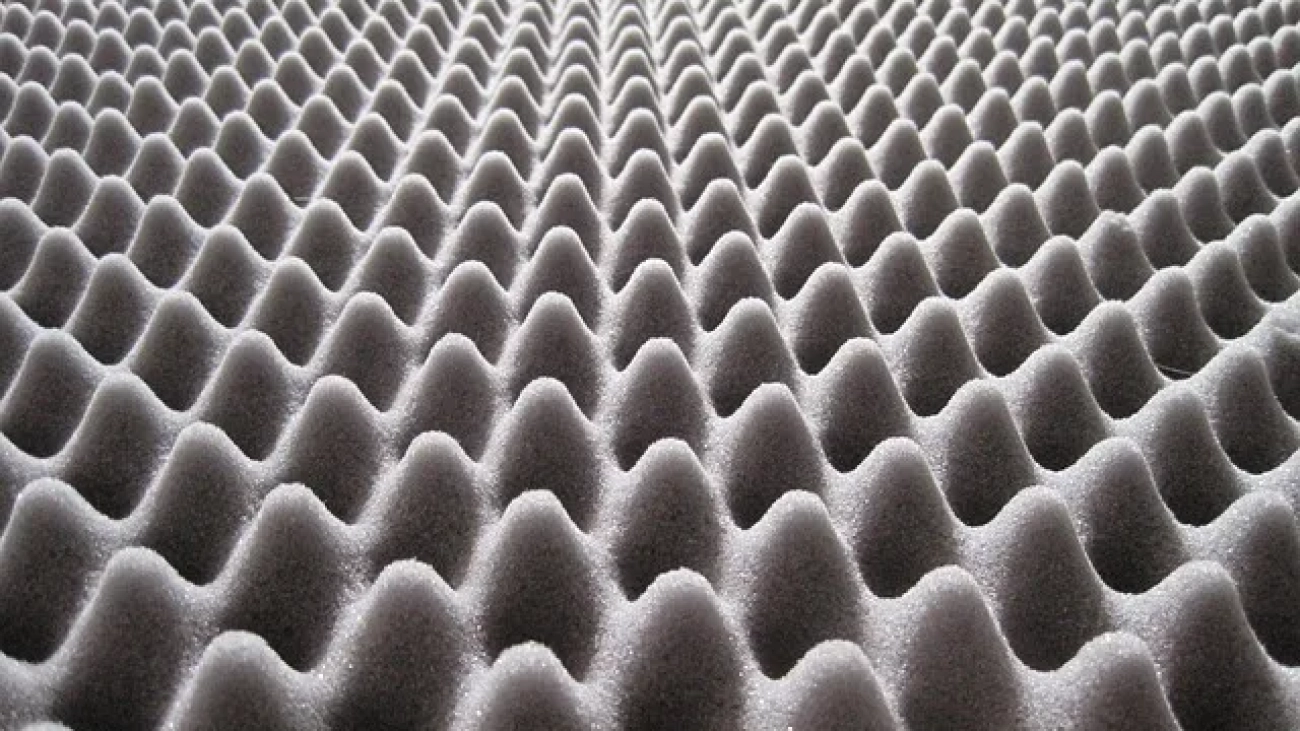
— Fill cavities and gaps with mineral wool or acoustic foam; seal perimeter with acoustic sealant.
— For brick or concrete façades, adding an internal insulated wall is common; exterior insulation may help thermal/noise but is more complex.
Costs (rough): DIY minimal fixes — several thousand ₽; full framed wall with two layers of GKLV and insulation — 30–80k ₽ per room depending on scope.

Floors (impact noise from upstairs)

Why: footsteps, moving furniture, child play.
Solutions:
— Install floating floor with acoustic underlayment (cork, rubber, or special mats) — reduces impact noise significantly.
— Use carpets and thick rugs with underlay in high-traffic areas.
— For apartments with serious impact noise, consider resilient layers or a floating screed (professional) — more costly.
Costs: rugs + underlay — 2–10k ₽; full floating floor with quality underlay — 10–50k ₽ per room.

Ceilings (noise from upstairs neighbours)

Why: direct transmission via floor-ceiling assemblies.
Solutions:
— Install suspended ceiling with resilient channels and insulation (mineral wool) — decoupling lowers both airborne and impact transfer.
— Use an acoustic plasterboard system or sound-absorbing panels where ceiling height allows.
Costs: 15–60k ₽ per room depending on materials and finish.

Doors and Entrances

Why: doors are common leakage points, especially hollow-core ones.
Solutions:
— Replace hollow doors with solid core doors or add mass with a composite overlay.
— Install perimeter seals, drop-down door sweeps, and acoustic thresholds.
— Sound-lock entryways: create antechamber/curtain for flats on noisy floors (if space allows).
Costs: door seals and sweep — 1–5k ₽; new solid core door — 10–40k ₽.

Ventilation, Pipes and Gaps

Why: sound passes through vents, gaps around pipes and ducts.
Solutions:
— Seal gaps with acoustic sealant (silicone) — inexpensive and essential.
— For required ventilation, install acoustic vents/silencers or use sound baffles that keep airflow but damp noise.
— Insulate and decouple noisy pipes; use flexible couplings.
Costs: sealant and small fixes — <1–3k ₽; acoustic vents / silencers — 5–20k ₽.

Materials and terms to know

— Mineral wool / Rockwool — absorbs sound in cavities.
— Acoustic gypsum board (soundproof drywall / GKLV) — extra mass, used in multiple layers.
— MLV (mass loaded vinyl) — heavy flexible membrane for small-depth applications.
— Resilient channels / acoustic clips — decouple finishing layers from structure.
— Acoustic sealant — non-hardening silicone for airtight joints.
— STC / dB reduction — measures sound insulation; aim to reduce intrusive noise to <= 35–40 dB for sleep/rest.

Availability in Russia: major chains and construction markets carry Knauf, ROCKWOOL, ISOVER, MLV imports and local equivalents. Ask suppliers for acoustic-rated systems.

Tips specific to Russian housing types

— Panel (панельные) and prefabricated: share many thin partitions — internal framed walls with insulation and double boards are often the best solution.
— Soviet-era brick apartments: thicker walls help; focus on windows and doors first.
— Wooden houses /

acoustic-foam-4864398_640

Звукоизоляция жилья в России: практическое руководство по снижению шума

Введение

Шум — одна из самых частых жалоб в российских городах: уличный трафик, трамваи, строительные работы, соседи по этажу. Подходы к звукоизоляции зависят от типа дома (панельный, монолитный, кирпичный), источника шума и бюджета. В этом руководстве — практичные шаги, материалы и ориентиры, которые помогут снизить уровень шума в квартире или доме, не нанося вреда тепло- и влагоизоляции.

Короткий план действий

1. Диагностика: определить источники и пути проникновения шума.
2. Приоритеты: начать с наиболее эффективных решений (обычно окна и двери).
3. Выбор методов: комбинируйте барьеры (массивные слои) и поглотители (пористые материалы).
4. Монтаж и контроль: герметизация швов, правильная вентиляция, учёт влажности.

Как и откуда проникает шум

— Окна — главный путь уличного шума (особенно вблизи дорог).
— Стены и перегородки — передают речь и бытовые звуки соседей.
— Потолок и пол — шаги, тележки, удары (ударный шум).
— Двери и щели — точечные «утечки» звука.
— Вентиляция, шахты, розетки и кабели — непрямые каналы передачи звука.

Основные решения по элементам квартиры

Окна

— Что сделать:
— Установить качественные окна со звукоизоляционными стеклопакетами (широкие камеры, разная толщина стекол); в шумных местах — 2‑камерные пакеты или дополнительная внутренняя рама («шушпан»).
— Герметизация примыканий, установка уплотнителей.
— Внутренние жалюзи/шторы с плотной тканью как дополнительное поглощение.
— Эффект: при правильном подборе и монтаже уличный шум может снизиться заметно (отдельные случаи 15–30 дБ; результат зависит от типа шума и качества монтажа).
— Примечание: в холодном климате важно сохранять вентиляцию и избегать запотевания стекол — предусмотреть приточные клапаны.

Стены и перегородки

— Что сделать:
— Устройство двухслойной гипсокартонной обшивки на каркасе с минеральной ватой (Rockwool, Knauf, Isover, Ursa) в промежутке.
— Применение виброразвязывающих материалов (виброподвесы, акустические мембраны) для снижения передач структурных вибраций.
— Массовые слои (звукопоглощающие мембраны, тяжелые панели) повышают изоляцию от воздушного шума.
— Эффект: грамотная конструкция каркас + минвата + 2 слоя ГКЛ может дать десятки дБ в зависимости от исходной перегородки.
— Важно: не «вкопаться» в толщину стены без проверки коммуникаций и розеток — они потребуют уплотнения.

Потолок

— Что сделать:
— Подвесной потолок на виброразвязывающих подвесах + звукопоглощающий материал.
— Плавающий потолок или шумоизолирующая обшивка (гипсокартон с прослойкой ваты или мембраной).
— Для ударного шума сверху (шаги): эффективней решать у соседей — плавающий пол/ковровые покрытия.

Пол

— Что сделать:
— Плавающий пол (покрытие, укладываемое на демпфирующий слой: эластичная подложка, пробка, изолон).
— Для сильных ударных шумов — массивная система «стяжка на демпфере» или акустические подвесы.
— Ковры и плотные напольные покрытия хорошо снижают ударный шум в комнатах.
— Эффект: обычная подложка + качественный л

abstract-1850417_640

How to Soundproof Your Home in Russia: Practical, Climate-Smart Guide

How to Soundproof Your Home in Russia: Practical, Climate-Smart Guide

Living in Russia means dealing with a wide range of building types and noise sources: traffic and tramways in big cities, thin partition walls in панельные дома (panel buildings), noisy courtyards, or neighbors’ footsteps in multi-storey blocks. This guide explains realistic, cost-aware soundproofing steps you can take at home — from simple quick wins to full renovations — with tips adapted for Russian climates and construction types.

Quick overview — what to aim for

— Sound transmission is measured in decibels (dB). Small changes (3–5 dB) are barely noticeable; 10–15 dB is a clear improvement.
— Typical comfortable targets for living rooms/bedrooms are in the mid‑30s to mid‑40s (weighted sound reduction — Rw or similar). Higher is better for very noisy streets or home studios.
— Prioritize sealing and windows first for the best cost-to-impact ratio in most Russian flats.

Step 1 — Identify the noise and measure

— Determine noise sources: street/traffic, neighbors (speech, TV, footsteps), plumbing, building services, balcony noise.
— Time the noise (day/night) and note frequencies (low rumble vs high voices).
— Use a simple smartphone app to log levels (rough guide) or hire an acoustic specialist for precise assessment.

Cost-effective “quick wins” (low budget, fast)

— Seal gaps around windows, doors, skirting boards and pipe penetrations with acoustic or silicone sealant. Small gaps leak a lot of sound.
— Use heavy curtains or acoustic drapes on windows and balconies to reduce high-frequency noise. In cold Russian winters, thick curtains also help with thermal comfort.
— Add rugs and thick underlay on hard floors to cut impact noise (footsteps).
— Fill empty bookcases against shared walls; dense shelving reduces transmission.
— Replace light hollow doors with solid-core doors or add door seals and a threshold sweep to reduce gaps.
— Install draft/external sealing on balcony doors and consider temporary window inserts for particularly noisy periods.

Windows and balconies — top priority in many Russian homes

— Single glazing and poor seals are often the main problem. Options:
— Upgrade to a modern insulated glazing unit (double or triple glazing) with proper seals and, if needed, laminated glass for better sound dampening.
— Secondary glazing (an internal pane or insert) is often cheaper and can be very effective — works well when replacing a primary frame is expensive or restricted.
— Ensure the whole frame is sealed and the sill/joins are insulated. Balcony glazing (остекление балконов) and sealing the balcony door gap reduce street noise.
— In winter, ensure window upgrades maintain thermal performance and avoid condensation.

Walls and partitions — add mass and decouple

— Increasing mass reduces airborne noise. Options:
— Plasterboard (ГКЛ) with sound-damping membranes or mass-loaded vinyl (MLV) increases wall mass.
— A “room within a room” or decoupled stud wall with mineral wool or acoustic insulation reduces direct transmission (use resilient channels or isolation mounts). More expensive but effective on party walls.
— For panel buildings (панельки), pay attention to joints and service penetrations — use acoustic sealant in seams to prevent flanking paths.
— Avoid compressing insulation; mineral wool is a good acoustic choice and fire-resistant — suitable for Russian standards and cold climates.

Floors and ceilings — reduce impact and structure-borne sound

— Floors:
— Use elastic underlayment (cork, rubber, acoustic mats) under laminate or engineered wood to reduce impact noise.
— For heavy vibration transfer (neighbors’ stomping), a floating floor system on resilient layers helps.
— Ceilings:
— A suspended ceiling with acoustic hangers plus mineral wool above can reduce airborne and impact noise from upstairs.
— For flats where you can’t touch the neighbor’s floor, focus on decoupling ceiling and filling cavity with insulation.

Doors, vents and small openings

— Install acoustic seals around doors, fit a tight threshold or sweep, and use solid-core doors where possible.
— Cover ventilation shafts and exhausts with acoustic mufflers or labyrinths to keep airflow while cutting noise — never block ventilation entirely, especially in Russian winters where ventilation affects indoor humidity and mold risks.
— Soundproof electrical outlets or switch boxes on shared walls with foam inserts and sealant.

Ventilation, humidity and thermal considerations (important in Russia)

— Soundproofing can affect ventilation and moisture. Always maintain adequate airflow to avoid condensation and mold during cold months.
— Use acoustic ventilation solutions (mufflers, silencers) or mechanical ventilation with sound attenuators if you need higher performance without losing fresh air.
— Pay attention to thermal bridging when adding mass or decoupling — pair soundproofing with thermal insulation where possible.

DIY vs professional work

— DIY: sealing, curtains, rugs, door seals, bookshelf walls, secondary glazing inserts, and underlay are doable for most homeowners.
— Hire professionals for: replacing primary windows, building decoupled walls or suspended acoustic ceilings, complex floor floating systems, and situations requiring compliance with building regulations.
— For disputes with neighbors or building-wide solutions (staircases, ventilation shafts), involve your HOA (ТСЖ/

stairway-5551641_1280

How to Soundproof Your Home in Russia: Practical Solutions, Costs, and Local Tips

Introduction

Living in Russian cities and towns brings a mix of sounds — traffic, construction, noisy neighbors, or heating and plumbing systems. Good news: many effective soundproofing solutions work well in Russian climates and with common local building types (panel, brick, monolith). This guide gives practical, budget-aware steps, material recommendations available in Russia, and when to call a pro.

What kind of noise are you dealing with?

— Impact noise — footsteps, furniture bumps (travels through floors/structure).
— Airborne noise — voices, music, traffic (passes through gaps, windows, thin walls).
— Structure-borne noise — vibrations from building systems or external sources.

Identify the dominant source first — it determines the most cost-effective fix.

Match solutions to building types

— Panel buildings (панельные): joints and thin partitions are common weak points. Focus on sealing joints, double-lining walls, and resilient channels.
— Brick/monolith (кирпич/монолит): more massive walls help, but windows, floors, and ventilation remain issues. Address glazing and floor/ceiling decoupling.
— Private houses: exterior noise control (fences, landscaping), insulated windows, and roof/attic work matter.

Practical methods & materials (what works in Russia)

Windows and balconies
— Upgrade to double- or triple-glazed units (стеклопакет). Choose wide air gaps (or argon) and laminated glass for better sound damping.
— Replace worn seals and install quality rubber seals.
— For balconies — insulate and seal the door threshold; consider an inner glazing (внутренний оконный блок) for a cost-effective improvement.
— Typical gain: 10–35 dB depending on upgrade level.

Walls and partitions
— Seal cracks and service penetrations with acoustic sealant (акустический герметик). Small gaps produce large noise leaks.
— Add mass: 1–2 layers of gypsum board (ГКЛ) or soundboard. Use damping compounds (e.g., Green Glue or local equivalents) between layers for extra isolation.
— Add absorptive cavity fill: mineral wool (Роквул, Изовер, Технониколь) 50–100 mm inside a stud or resilient channel assembly.
— Decouple surfaces using resilient channels or resilient clips to break vibration paths.
— Expected improvement: +10–25+ dB depending on assembly.

Floors and ceilings
— For impact noise: resilient underlayments (acoustic mats) and floating floors (плавающий пол) with mineral wool or rubber underlay.
— For sound transmission up/down: add suspended acoustic ceilings or double-layer drywall with insulation above.
— Consider soft flooring (carpets/rugs) in apartments above bedrooms to reduce footsteps below.

Doors
— Replace thin doors with solid-core doors or add mass (door overlays).
— Fit perimeter seals, door bottoms, and threshold sills.
— Doors often control 50%+ of noise ingress for certain orientations — sealing has high ROI.

Ventilation, pipes, and services
— Soundproof ventilation ducts with flexible connectors, acoustic duct lining, or sound attenuators.
— Isolate plumbing with anti-vibration clips, wrap pipes in acoustic foam, and seal penetrations.

Specialty materials
— Mass-Loaded Vinyl (MLV / звукоизоляционная мембрана) for adding mass in tight spaces.
— Acoustic panels (Ecophon, Rockfon and local equivalents) for improving interior acoustics (not soundproofing against external noise but reduces echo).
— Use moisture-resistant materials (vapor-resistant gypsum, mineral wool) in cold Russian climates to avoid condensation and mold — always maintain ventilation.

DIY vs Professional

When to DIY:
— Replacing seals, adding rugs, installing door sweeps, and applying acoustic caulk.
— Installing internal secondary glazing or adding a layer of drywall without structural changes.

When to hire pros:
— Structural works (decoupling walls, floating floors), replacing windows/glazing, complex ventilation modifications, or if you must coordinate with building management.
— Pros ensure correct layering, prevent moisture problems, and provide sound measurement.

Permissions and building rules

— In multi-apartment buildings get approval from management for works affecting common structures (floors, load-bearing walls, heating systems).
— Major changes might need documentation per local housing regulations — check your Управляющая компания or ТСЖ before starting.

Cost guide (approximate, per typical market ranges)

Prices vary by region and materials. These are rough guides in Russian rubles (₽).

— Acoustic sealant & weatherstr

stairs-6517488_960_720

Эффективная звукоизоляция квартиры и дома в России — практический гид

Введение

Шум в квартире или частном доме — частая проблема в российских городах: уличный транспорт, стройка, соседи сверху и по стенам. В этой статье — практические рекомендации по звукоизоляции с учётом местных условий, материалов и доступных решений в России. Пошагово разберём, что делать сначала, какие материалы выбирать, и как понять, сколько это стоит.

Понять источник шума

Прежде чем начинать работу, важно определить тип шума:
— Воздушный шум — разговоры, музыка, шум улицы. Требует массы и уплотнений.
— Ударный шум — шаги, топот, дребезжание по перекрытиям. Требует разрыва жёсткого контакта (демпфирования, плавающих полов).
— Флаккинговый (боковой) шум — через стыки, щели, вентиляцию.

Рекомендация: проведите простой тест — ночью с закрытыми окнами определить направление и характер звука. Для точного измерения можно вызвать акустика (измеряет уровни в дБ).

Общий порядок работ (рекомендуемая последовательность)

1. Диагностика: выявить основные пути проникновения шума.
2. Простые и дешёвые меры: уплотнения, ковры, плотные шторы.
3. Окна и двери — самые эффективные точки повлиять на уровень шума.
4. Стены, потолки, полы — капитальный этап для значительного снижения.
5. Вентиляция и технологические отверстия — устранить или звукоизолировать.
6. Проверить результат измерением уровня шума или субъективно оценить улучшение.

Быстрые и бюджетные меры (до 1–2 дней, низкая стоимость)

— Уплотнители на окна и двери (резиновые/силиконовые уплотнители).
— Герметизация щелей: монтажная пена и акустические герметики (акцент — швы и стыки).
— Тяжёлые плотные шторы (акустические/блэкаут).
— Ковры и ковровые дорожки на полах (особенно на деревянных перекрытиях).
— Декоративные элементы и книжные полки у стены — снижают отражение и частично глушат звук.
Эффект: обычно снижение 2–8 дБ, но значительно улучшает комфорт при умеренных уровнях шума.

Окна (стеклопакеты)

— Заменить старые рамы и одинарное стекло на качественный ПВХ профиль с двух- или трёхкамерным стеклопакетом (стеклопакет). Важны:
— Толщина стекла и комбинированные/ламинированные варианты для низких частот.
— Ширина камер (зазор между стёклами) — влияет на шумоподавление.
— Качественные уплотнители и монтаж (утиазол).
— Для временной защиты: дополнительные внутренние рамки/вторичные стеклопакеты.
— Учитывайте вентиляцию: плотные окна требуют приточки воздуха (звукопоглощающие клапаны).

Двери

— Входная дверь: массивная, стальная с порогом и качественными уплотнителями, шумопоглощающие панели.
— Межкомнатные двери: замена на более тяжёлые двери с уплотнением по периметру или нанесение звукоизоляционных панелей.
— Устранять щели под дверью — изоляционные щётки, пороги.

Стены

Подходы к звукоизоляции стен:
— Наложение дополнительной массы: 1–2 слоя гипсокартона на каркас с промежуточной демпфирующей прослойкой (например, акустический герметик или вибропрокладки).
— Разделённая (развязанная) конструкция: каркас на резиновых/виброизоляционных подвесах + заполнение минераловатной или эковатой утеплителем (Rockwool, ISOVER, URSA

stairway-5551641_1280

Home Soundproofing in Russia: Practical Guide for Apartments and Houses

Home Soundproofing in Russia: Practical Guide for Apartments and Houses

Living in Russia means dealing with a wide range of buildings — from Khrushchyovkas and panel (panelnye) apartment blocks to newer monolithic and brick houses. Each has its own weak points for noise. This guide explains how to assess noise, practical solutions (DIY and professional), typical materials available locally, target insulation levels, rough cost ranges in rubles, and a step-by-step plan to make your home quieter.

Quick overview

— Common noise sources: street traffic, trams/trains, neighbors (thin party walls and floors), HVAC and plumbing, barking dogs.
— Basic strategies: *seal gaps, add mass, decouple structures, absorb reverberation, and manage ventilation paths*.
— Typical measurable goal: increase sound reduction by 10–20 dB can make a huge perceived difference.

Assess the problem first

— Identify noise sources and routes: windows, walls, ceilings/floors, doors, ventilation/vents.
— Measure roughly with a smartphone app for dBA (good for comparisons) or hire an acoustician for formal Rw/DnT,w testing.
— Set a target: for urban apartments aim for 40–45 dB reduction (Rw) for exterior noise; for privacy between apartments, 30–40 dB may be acceptable; >50 dB if you face highways/airports.

Typical building-specific notes (Russia)

— Khrushchyovka and panel buildings: very thin partitions and floors — prioritize windows, doors and added wall/floor layers with decoupling.
— Older brick houses: thicker walls but noise through windows/doors and ventilation can still be a problem.
— Newer monolith structures: better baseline, but flanking noise (through joints) can require professional sealing.

Solutions by element

Windows

— Most effective first step for street noise.
— Options:
— Improve seals and install dense window seals (уплотнители).
— Add secondary glazing (inner pane) or replace with high-performance multi-chamber insulating units designed for sound (шумоизоляционные стеклопакеты).
— Heavy acoustic curtains help at night but are supplemental.
— Expected improvement: sealing + secondary glazing typically gives 10–20 dB reduction depending on existing windows.

External walls

— Techniques:
— Add a framed (metal or timber) decoupled wall with mineral wool/rockwool and 2 layers of acoustic drywall (ГКЛ, влагостойкий if needed). Use staggered or resilient channels to decouple.
— Use heavy soundproofing membranes or mass-loaded vinyl (MLV) where space is limited.
— For brick houses, filling cavities and sealing cracks helps.
— Note: adding a stud wall reduces room area — plan spacing and finish.

Ceilings / Floors

— Ceilings (noise from upstairs):
— Install suspended ceiling with mineral wool and dense plasterboard or acoustic panels; resilient mounts improve results.
— Consider isolating floating ceilings if impact noise is major.
— Floors (noise to downstairs and impact noise):
— Floating floor systems with acoustic underlay (cork, rubber, special mats).
— Thick rugs and carpets with underlay reduce impact and airborne noise.
— Impact vs airborne: carpets help impact. To address structure-borne noise, decoupling/float systems are necessary.

Doors and entryways

— Replace hollow doors with solid-core doors or add mass (door skins).
— Install perimeter seals and threshold seals to close gaps.
— Entryway soundproofing often low-cost but high-impact for privacy.

Ventilation, pipes and gaps

— Sound bypasses through ventilation ducts and pipe penetrations.
— Install acoustic silencers (sound attenuators) in ventilation, acoustic baffles, or configure air paths to include bends and absorbent lining.
— Seal gaps around pipes with acoustic sealant; use flexible fittings where appropriate.

Materials commonly used in Russia

— Mineral wool / rockwool: widely available, good for absorption.
— Acoustic plasterboard / gypsum boards: for adding mass.
— Resilient channels / rubber mounts: for decoupling.
— Mass-loaded vinyl (MLV) or heavy membranes: add mass in tight spaces.
— Sealing compounds, acoustic foams, door/window seals, heavy curtains.
— Local suppliers: строительные гипермаркеты and specialised acoustics companies supply these materials.

DIY vs professional

— DIY good for: sealing gaps,

living-room-8477525_1280

Полная инструкция по шумоизоляции квартиры в России: как уменьшить уличный и бытовой шум

Полная инструкция по шумоизоляции квартиры в России: как уменьшить уличный и бытовой шум

Шум в городе — одна из частых причин стресса и плохого сна. В России — с её плотной городской застройкой, близостью дорог, трамвайных и железнодорожных линий — проблема особенно актуальна. В этой статье — практические советы, какие работы стоит сделать сначала, какие материалы подходят для климата и типовых российских домов, ориентировочные цены и план действий: от быстрого DIY до профессиональной шумоизоляции.

Почему важно разделять шумопоглощение и звукоизоляцию

— *Звукопоглощение* (акустические панели, пористые материалы) уменьшает эхо внутри комнаты, но мало влияет на проникновение уличного шума.
— *Звукоизоляция* (масса, уплотнения, разрыв жёсткости) снижает передачу звука через стены, окна, полы и потолки.

Обе задачи часто решают вместе, но приоритет — сначала блокировать источник наружного шума, затем уже улучшать акустику внутри.

Шаг 1 — диагностика: что мешает

— Определите источники: улица (трафик, стройка), соседи (удары, шаги), системы отопления/вентиляции, бытовая техника.
— Замерьте шум: приложения на смартфоне дают ориентировочные dB; для точных мерений и жалоб потребуются калиброванные приборы.
— Проанализируйте уязвимые места: окна, двери, межквартирные стены, полы, вентиляционные решётки, щели у розеток.

Общая стратегия (приоритеты)

1. Устранить щели и плохие уплотнения (двери и окна).
2. Улучшить окна (вторичные или качественные стеклопакеты).
3. Обработать стены с наибольшим уровнем проникновения шума.
4. Шумоизоляция пола и потолка по мере необходимости.
5. Сохранить вентиляцию и контролировать пароизоляцию/конденсат в холодное время года.

Решения по элементам квартиры

Окна

— Наиболее эффективный первый шаг в городской квартире.
— Варианты:
— Установка стеклопакетов с акустическим стеклом или ламинированным стеклом (высокая эффективность против уличного шума).
— Вторичное остекление (внутренний или наружный доборный блок) — дешевле и быстро.
— Уплотнители по периметру, заделка щелей под откосами.
— Совет для климата России: при утеплении не забывайте про правильную вентиляцию и отвод конденсата, чтобы избежать промерзания и плесени.

Двери

— Межквартирные и входные двери: установите плотные уплотнители по периметру, пороги с автоматическим уплотнением.
— По возможности — замена на более тяжёлую (сплошную) конструкцию или установка дополнительной внутренней двери/тамбура.
— Уделите внимание коробке и петлям — они не должны пропускать звуковые мостики.

Стены

— Для кирпичных/монолитных стен — «массивный» подход: увеличение поверхности и массы (к примеру, слой ГКЛ на виброразвязывающих профилях + минеральная вата).
— Для панельных стен типовая схема: каркас + минераловатная или базальтовая плита + слой ГКЛ на подложке с демпфирующими прокладками.
— Важны: разрыв жёсткости (ресиверные профили, демпферные ленты), плотная засыпка утеплителя, герметизация стыков.

Полы

— Шумоизоляция шагового шума: плавающие (плавающий) полы — подложка (акустическая мембрана, пробка, резиновая подложка) + черновой слой + финиш покрытие.
— Для ударного шума от соседей сверху — специальные акустические маты, упругие подложки под стяжку.
— Для деревянных перекрытий — устранение скрипов + уплотнения, подложки между лагами.

Потолок

— Подвесной или навесной потолок с прокладкой звукоизолирующего материала (минеральная вата) на виброизолирующих креплениях.
— В старых домах часто эффективнее работать с потолком, если сверху шум от соседей.

Вентиляция, каналы и розетки

— Шум легко проходит через вентиляционные каналы — ставят шумопоглощающие отвода (глушители) и гибкие вставки, сохраняя воздухопоток.
— Розетки и коробки в стенах — ставят акустические вставки или специальный наполнитель; герметизируют щели вокруг проводки.

Материалы, доступные в России

— Минеральная/базальтовая вата — хорошая тепло- и звукоизоляция, устойчива к влаге при правиль

pamukkale-714762_640

Home Soundproofing in Russia: Practical Guide for Apartments and Houses

Home Soundproofing in Russia: Practical Guide for Apartments and Houses

Intro
— Living in Russian cities often means dealing with loud neighbours, traffic, and thin-walled Soviet-era flats. Good news: many effective soundproofing solutions are affordable and suitable for typical Russian housing (Khrushchyovka, Brezhnevka, panel and monolithic buildings, wooden dachas).
— This guide explains how to identify noise sources, prioritize interventions, choose materials available in Russia, and decide when to DIY or call a pro.

1. Identify the problem and set priorities

— Determine the *type* of noise: airborne (voices, traffic, music) vs impact (footsteps, slamming, knocking).
— Measure roughly with a smartphone app or ask a specialist for an A-weighted measurement if needed.
— Prioritise interventions that give the biggest effect for cost: windows and doors first for airborne noise; floors/ceilings for impact noise.

2. Windows: the highest-impact upgrade

— Why: windows are often the weakest point for street noise in Russian apartments.
— Options:
— Replace with high-performance double- or triple-glazed units (ПВХ окна) with laminated or acoustic glass and inert gas filling. Look for glazing with different pane thicknesses to reduce resonance.
— Improve seals: replace rubber gaskets and add acoustic strips (шумопоглощающий уплотнитель).
— Add secondary glazing (второй контур окна) — a cheaper, reversible option often allowed in rental or historic buildings.
— Use heavy curtains or acoustic blinds as supplementary treatment for further reduction.
— Tip: proper installation (рамные зазоры герметизированы) matters as much as the glass.

3. Doors and openings

— Main entrance: install a solid-core door with proper threshold seals and acoustic gaskets. Add a door sweep.
— Room doors: upgrade to heavier doors or add acoustic seals and a soundproofing curtain.
— Small gaps around frames and vents can leak a lot of sound — seal with acoustic foam or silicone sealant.

4. Walls: mass and decoupling

— For airborne noise: add mass and create an air gap.
— Solutions: soundproof drywall systems (двойной гипсокартон с шумопоглощающей прослойкой), mineral wool (каменная или базальтовая вата) in a stud wall or resilient channel.
— Mass-Loaded Vinyl (MLV) is effective as a dense layer between wall structures where available.
— For shared walls in apartment blocks, building a second (decoupled) wall with mineral wool and resilient mounts gives large gains but reduces room width.
— For a low-impact approach: bookshelves, upholstered furniture, wall hangings, and acoustic panels improve perceived loudness.

5. Floors and ceilings

— Impact noise (footsteps) often requires isolation:
— Floating floor systems with resilient underlay (изолирующая подложка) or cork reduce transmission.
— Acoustic mats or rubber underlay under laminate/engineered wood.
— For ceiling noise from upstairs neighbours:
— Add a suspended ceiling with resilient hangers and mineral wool insulation.
— Install an acoustic ceiling plasterboard system; it’s a common approach in Russian apartments.
— Consider adhesives and flexible seals to avoid creating rigid paths that carry sound.

6. HVAC, plumbing and penetrations

— Pipes, ducts, and vents transmit both structure-borne and airborne noise:
— Use flexible mounts, pipe insulation, and acoustic collars.
— Line duct runs with acoustic lining or install sound attenuators where practical.
— Seal penetration points with acoustic sealant (акустический герметик).
— Avoid rigid metal-to-structure connections that bridge sound.

7. Interior treatments and quick wins

— Heavy textiles: rugs, carpets with underlay, heavy curtains — inexpensive and effective for mid–high frequencies.
— Soft furnishings, bookcases, padded headboards, and acoustic panels (поглощающие панели) cut reverberation inside rooms.
— Rearrange furniture so heavy items are placed against shared walls.

8. DIY vs professional help

— DIY good for: sealing gaps, installing seals and curtains, laying rugs, adding secondary glazing and acoustic strips.
— Hire pros for: replacing windows, building decoupled walls or suspended ceilings, HVAC modifications, and any work that affects building structure or fire safety.
— When in an apartment, check with the building management (УК/ТСЖ) and, if necessary, obtain permissions for structural changes.

9. Local materials and suppliers in Russia

— Common and reliable materials found across Russia:
— Mineral/basalt wool (каменная/базальтовая вата) — Rockwool, Isover, Knauf and local brands.
— Acoustic drywall and resilient channels (шумопоглощающий гипсокартон).
— Acoustic sealants, foam strips, and heavy curtains — available at large DIY stores (Леруа Мерлен, Obi, etc.).
— PVC/Aluminium windows with acoustic glazing — many local manufacturers; ask for acoustic glazing units (АКУСТИЧЕСКОЕ ОСТЕКЛЕНИЕ).
— MLV — available from specialised suppliers for soundproofing.
— Compare technical data like STC (sound transmission class) or manufacturer acoustic reduction values.

10. Costs, timeline and expectations

— Expect incremental improvements: a combination of window replacement + seals + soft treatments often yields the best cost-to-benefit.
— Relative cost guide:
— Low cost: sealing gaps, curtains, rugs — small budget.
— Medium: secondary glazing, door upgrades, acoustic drywall on one wall — moderate cost.
— High: full window replacement, floating floors, suspended ceilings, full wall rebuilds — highest cost.
— Timeframe: simple fixes (days), window installation (1–3 days), larger construction (weeks).

11. Legal and neighbourly steps

— If noise is due to neighbours and

acoustic-foam-4864398_640

Home Soundproofing in Russia: Practical Solutions for Apartments and Houses

Home Soundproofing in Russia: Practical Solutions for Apartments and Houses

Living in Russian cities and towns means dealing with many common noise sources: traffic and tram lines, metro and tram tunnels, noisy neighbours in panel (панельный) or brick (кирпичный) buildings, playgrounds, and building plumbing or heating systems. This guide explains practical, cost-aware ways to reduce noise at home — from simple DIY fixes to professional upgrades — with materials and methods that are widely available in Russia.

Quick overview: how soundproofing works

— *Mass:* heavier materials block more sound (dense walls, thick doors).
— *Damping:* materials that convert vibration into heat (damping compounds, мягкие прокладки).
— *Decoupling:* separate vibrating surfaces so sound doesn’t transmit directly (подвесы, плавающие полы).
— *Absorption:* soft porous materials reduce echoes and mid-high frequencies (минеральная вата, акустические панели).
— *Sealing:* gaps and joints leak sound — sealing is crucial (герметик, уплотнители).

Start with an assessment: identify primary noise sources and locations (windows, walls, ceiling, floor) and measure/estimate intensity (ask neighbours, use smartphone apps for dB estimates). Then prioritize interventions by impact vs cost.

Typical noise sources in Russia and best first fixes

— Street/traffic/metro: windows and façade are priority — replace or upgrade glazing and seal frames.
— Neighbours (footsteps, music): treat floors and shared walls — carpets, underlay, added wall layers.
— Above/below apartments: ceiling and floor decoupling, шумоизоляционные покрытия.
— Building systems (pumps, pipes, ventilation): isolate elements, add flexible mounts and lining.

Room-by-room solutions

Windows and balcony doors (окна, балконные двери)

— Best effect per ruble for street/traffic noise.
— Options:
— Install high-quality double- or triple-glazed units with acoustic glass (звукопоглощающий стеклопакет).
— Add a second glazing line (второй контур остекления) — interior or exterior.
— Use sealing strips (уплотнители) and acoustic tape to eliminate drafts/gaps.
— Insulate balcony doors and glazing frames; consider interior storm windows (внутренний стеклопакет).
— Quick/cheap: heavy curtains (звукоизоляционные шторы) plus window seals.

Exterior walls / Shared partition walls

— For noisy neighbours or street noise that enters through walls:
— Build a sound-insulating stud wall with mineral wool (минеральная вата/изоляция Rockwool, Isover) + two layers of гипсокартон (GKL) — add damping compound between layers for improved performance.
— Use resilient channels or vibration mounts (виброразвязка) to decouple the plasterboard.
— Fill gaps and service penetrations with acoustic sealant (акустический герметик).
— Add bookcases, wardrobes or fabric wall hangings as auxiliary absorbers.

Floors

— For footsteps and impact noise:
— Install floating floor (плавающий пол) with an acoustic underlay (подложка) — cork (пробка), резина, или специализированные шумоизоляционные материалы.
— Use thick rugs and carpet pads (ковры, ковролин с подложкой) for immediate relief.
— For renovation, consider adding a layer of damping compound + screed on top of resilient layer.

Ceilings

— Typical issue with upstairs neighbours and building noise.
— Install an isolated suspended ceiling with mineral wool insulation and resilient hangers (виброподвесы).
— Add an extra layer of звукопоглощающий гипсокартон or use acoustic tiles.
— For crawl spaces, insulate piping and fix loose elements that rattle.

Doors and entrances

— Replace hollow doors with solid-core doors, or add a second door (тамбур) for an airlock effect.
— Fit perimeter seals, thresholds, and automatic bottom seals (полосы уплотнения).
— Heavy curtains or room dividers can help as a budget measure.

Ventilation, pipes, radiators

— Isolate noisy fans with rubber mounts and flexible ducting.
— Insulate and bracket pipes to avoid contact noise; use acoustic wrap.
— Ensure ventilation grilles are lined and have bends to reduce sound transmission while maintaining airflow.

Materials commonly available in Russia

— Mineral wool (минеральная вата, каменная вата) — Rockwool, Knauf, Isover
— Acoustic plasterboard (звукопоглощающий гипсокартон)
— Resilient channels, vibration hangers (виброподвесы)
— Acoustic sealant (акустический герметик)
— Soundproofing membranes and mats (вибропласты, резиновые мембраны, изолирующие маты)
— Dense doors and frame seals (массивные двери, уплотнители)
— Heavy acoustic curtains (звукоизоляционные шторы)
— Cork or acoustic underlayment (пробковая или резиновая подложка)

DIY vs Professional installation

— DIY-friendly: sealing gaps, adding heavy curtains and rugs, installing acoustic tape, replacing seals, adding bookcases.
— Professional recommended for: replacing windows (стеклопакеты), building decoupled walls/ceilings, floating floors, complex ventilation or structural work. Pros guarantee results and know to avoid pitfalls like moisture issues in exterior walls.

Typical budget ranges (very approximate)

— Quick DIY fixes (sealing, curtains, rugs): 1,000–25,000 RUB.
— Window upgrades (one window): 15,000–120,000+ RUB depending on glazing and installation.
— Wall soundproofing (per wall, materials + labor): 10,000–60,000+ RUB.
— Ceiling/floor upgrades (per room): 20,000–150,000+ RUB.
Costs vary widely by city, materials, room size — get 2–3 quotes from local contractors.

Step-by-step soundproofing plan (practical)

1. Identify the main noise source(s) and the room(s) most affected.
2. Seal all gaps around windows, doors, sockets, and plumbing penetrations.

living-room-7939062_1280

Как звукоизолировать квартиру в России: практическое руководство для разных бюджетов

Введение

Шум в квартире — частая проблема в российских городах: уличное движение, трамваи/метро, соседи сверху или через стену, строительные работы. Хорошая звукоизоляция повышает комфорт и здоровье, но требует плана: какие места лечить в первую очередь, какие материалы выбирать и стоит ли делать всё своими руками или нанимать специалистов.

Ниже — практическое руководство, адаптированное под типичные российские дома (панельные «панельки», кирпичные, сталинки, хрущёвки), с реальными решениями, ориентировочными ценами и пошаговыми рекомендациями.

С чего начать: диагностика и план

— Определите источники шума: улица/транспорт, соседи сверху/слева/справа, общий коридор, звуки коммуникаций.
— Измерьте уровень шума (приложение для смартфона даёт ориентир) — полезно для оценки результата.
— Составьте приоритеты: окна, стены, потолок, двери, пол.
— Учёт вентиляции и влажности: герметизация может снизить приток воздуха — заранее спланируйте вентиляционные решения.

Основные принципы звукоизоляции

— *Масса* — тяжёлые перегородки и двери лучше блокируют низкие частоты.
— *Демпфирование* — слои, гасящие вибрации (виброизоляционные маты, мембраны).
— *Разрыв структуры (развязка)* — плавающие полы, подвесные потолки на виброподвесах, каркасы с упругими элементами уменьшают передачу звука.
— *Герметичность* — щели вокруг окон, дверей, розеток дают сильные утечки звука.

Что и в какой очередности лучше делать

1. Герметизировать щели и двери (самый быстрый эффект, низкая цена).
2. Улучшить окна (особенно если шум с улицы).
3. Работать с потолком (если шум сверху) или полом (если вы слышите соседей снизу).
4. Заняться стенами (для звука от соседей через перегородки).
5. Дополнительно — интерьер: шторы, мебель, ковры.

Детали по элементам квартиры

Окна

— Проблема: уличный шум (автомобили, трамваи, стройка).
— Решения:
— Замена старых рам на современные стеклопакеты (двухкамерные стеклопакеты, при высокой шумности — специальные акустические или трёхкамерные пакеты).
— Установка внутреннего дополнительного стеклопакета (вставка) — дешевле, эффективно.
— Уплотнители по периметру, штапики, герметик.
— Тяжёлые акустические шторы и плотные гардины (временно до полной звукоизоляции).
— Ориентиры по цене в России (примерно): простые уплотнители/герметизация — от 500–2 000 ₽ за окно; замена окон — от 10 000 до 60 000+ ₽ за окно в зависимости от размера и типа; вставка стеклопакета — 6 000–25 000 ₽.

Двери

— Проблема: воздушная передача через щели и тонкие двери.
— Решения:
— Толстая металлическая/щитовая дверь с уплотнением.
— Порог с автоматическим уплотнителем (насадка-планка).
— Акустический уплотнитель вокруг коробки и звукоизолирующий добор.
— Ориентиры: комплект уплотнений и порог — 1 000–6 000 ₽