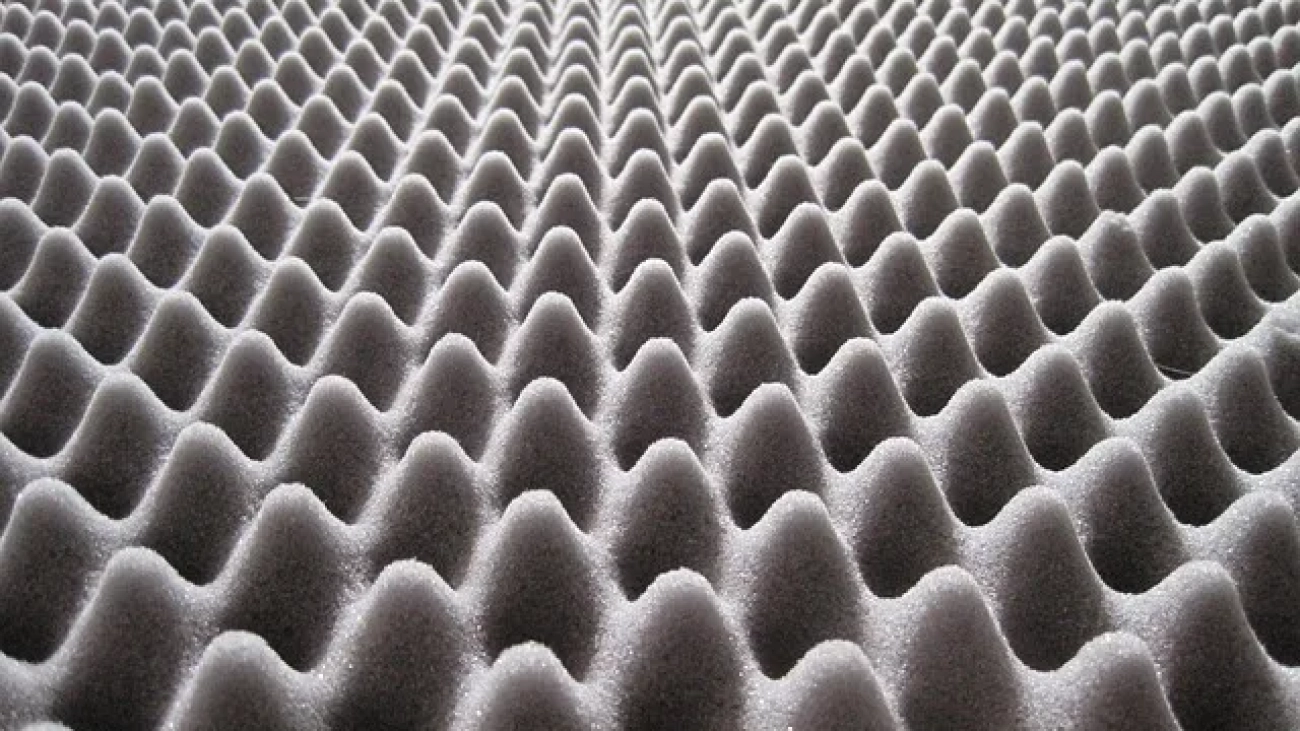
Home Soundproofing in Russia: Practical Solutions for Apartments and Houses
Living in Russian cities and towns means dealing with many common noise sources: traffic and tram lines, metro and tram tunnels, noisy neighbours in panel (панельный) or brick (кирпичный) buildings, playgrounds, and building plumbing or heating systems. This guide explains practical, cost-aware ways to reduce noise at home — from simple DIY fixes to professional upgrades — with materials and methods that are widely available in Russia.
Quick overview: how soundproofing works
— *Mass:* heavier materials block more sound (dense walls, thick doors).
— *Damping:* materials that convert vibration into heat (damping compounds, мягкие прокладки).
— *Decoupling:* separate vibrating surfaces so sound doesn’t transmit directly (подвесы, плавающие полы).
— *Absorption:* soft porous materials reduce echoes and mid-high frequencies (минеральная вата, акустические панели).
— *Sealing:* gaps and joints leak sound — sealing is crucial (герметик, уплотнители).
Start with an assessment: identify primary noise sources and locations (windows, walls, ceiling, floor) and measure/estimate intensity (ask neighbours, use smartphone apps for dB estimates). Then prioritize interventions by impact vs cost.
Typical noise sources in Russia and best first fixes
— Street/traffic/metro: windows and façade are priority — replace or upgrade glazing and seal frames.
— Neighbours (footsteps, music): treat floors and shared walls — carpets, underlay, added wall layers.
— Above/below apartments: ceiling and floor decoupling, шумоизоляционные покрытия.
— Building systems (pumps, pipes, ventilation): isolate elements, add flexible mounts and lining.
Room-by-room solutions
Windows and balcony doors (окна, балконные двери)
— Best effect per ruble for street/traffic noise.
— Options:
— Install high-quality double- or triple-glazed units with acoustic glass (звукопоглощающий стеклопакет).
— Add a second glazing line (второй контур остекления) — interior or exterior.
— Use sealing strips (уплотнители) and acoustic tape to eliminate drafts/gaps.
— Insulate balcony doors and glazing frames; consider interior storm windows (внутренний стеклопакет).
— Quick/cheap: heavy curtains (звукоизоляционные шторы) plus window seals.
Exterior walls / Shared partition walls
— For noisy neighbours or street noise that enters through walls:
— Build a sound-insulating stud wall with mineral wool (минеральная вата/изоляция Rockwool, Isover) + two layers of гипсокартон (GKL) — add damping compound between layers for improved performance.
— Use resilient channels or vibration mounts (виброразвязка) to decouple the plasterboard.
— Fill gaps and service penetrations with acoustic sealant (акустический герметик).
— Add bookcases, wardrobes or fabric wall hangings as auxiliary absorbers.
Floors
— For footsteps and impact noise:
— Install floating floor (плавающий пол) with an acoustic underlay (подложка) — cork (пробка), резина, или специализированные шумоизоляционные материалы.
— Use thick rugs and carpet pads (ковры, ковролин с подложкой) for immediate relief.
— For renovation, consider adding a layer of damping compound + screed on top of resilient layer.
Ceilings
— Typical issue with upstairs neighbours and building noise.
— Install an isolated suspended ceiling with mineral wool insulation and resilient hangers (виброподвесы).
— Add an extra layer of звукопоглощающий гипсокартон or use acoustic tiles.
— For crawl spaces, insulate piping and fix loose elements that rattle.
Doors and entrances
— Replace hollow doors with solid-core doors, or add a second door (тамбур) for an airlock effect.
— Fit perimeter seals, thresholds, and automatic bottom seals (полосы уплотнения).
— Heavy curtains or room dividers can help as a budget measure.
Ventilation, pipes, radiators
— Isolate noisy fans with rubber mounts and flexible ducting.
— Insulate and bracket pipes to avoid contact noise; use acoustic wrap.
— Ensure ventilation grilles are lined and have bends to reduce sound transmission while maintaining airflow.
Materials commonly available in Russia
— Mineral wool (минеральная вата, каменная вата) — Rockwool, Knauf, Isover
— Acoustic plasterboard (звукопоглощающий гипсокартон)
— Resilient channels, vibration hangers (виброподвесы)
— Acoustic sealant (акустический герметик)
— Soundproofing membranes and mats (вибропласты, резиновые мембраны, изолирующие маты)
— Dense doors and frame seals (массивные двери, уплотнители)
— Heavy acoustic curtains (звукоизоляционные шторы)
— Cork or acoustic underlayment (пробковая или резиновая подложка)
DIY vs Professional installation
— DIY-friendly: sealing gaps, adding heavy curtains and rugs, installing acoustic tape, replacing seals, adding bookcases.
— Professional recommended for: replacing windows (стеклопакеты), building decoupled walls/ceilings, floating floors, complex ventilation or structural work. Pros guarantee results and know to avoid pitfalls like moisture issues in exterior walls.
Typical budget ranges (very approximate)
— Quick DIY fixes (sealing, curtains, rugs): 1,000–25,000 RUB.
— Window upgrades (one window): 15,000–120,000+ RUB depending on glazing and installation.
— Wall soundproofing (per wall, materials + labor): 10,000–60,000+ RUB.
— Ceiling/floor upgrades (per room): 20,000–150,000+ RUB.
Costs vary widely by city, materials, room size — get 2–3 quotes from local contractors.
Step-by-step soundproofing plan (practical)
1. Identify the main noise source(s) and the room(s) most affected.
2. Seal all gaps around windows, doors, sockets, and plumbing penetrations.